AMC's The Vampire Lestat makes explicit what Anne Rice always understood about her most famous monster: Lestat does not merely want to survive eternity. He wants an audience. The new series follows the vampire into his rock-star era while reopening the history he tells about himself—his mortal life, transformation, loves, betrayals and appetite for explanations large enough to justify his existence. Music is not decoration. Performance is how Lestat turns confession into control.
That combination separates Rice's work from both the traditional predator story and the modern paranormal romance. Her vampires are aesthetic creatures. They collect paintings, enter theaters, remember vanished fashions and interpret immortality through music, philosophy and style. Beauty does not make them safe; it gives violence a language in which it can describe itself as longing. Fame compounds the problem by rewarding the vampire's ability to make victims experience proximity as privilege.
This ranking favors novels with charismatic monsters, long memory, art, decadent communities or a vampire's own account of being transformed. Romance may appear, but none of the selections is included primarily as a romance novel. The closest matches offer voice as strong as appetite and understand that an immortal narrator is always curating the past. Some seek public recognition. Others hide in tunnels, classrooms or old houses. All ask what a creature becomes when survival is no longer an achievement and identity must be performed across centuries.
Selection note. The ranking prioritizes vampire voice, art and self-mythology over romantic compatibility. The highest entries resemble Lestat through narration, music, performance or the need to make monstrosity meaningful. Several lower-ranked books broaden the comparison to public vampire culture, philosophical predators and memoir as an instrument of power.
10
I, Strahd: The Memoirs of a Vampire
P. N. Elrod · 1993
Immortal voice A warlord recounts how conquest, obsession and a supernatural bargain made him the ruler and prisoner of Barovia
Closest Vampire Lestat connection The vampire controls his legend by narrating the mortal injuries he believes explain his monstrosity
Main difference A compact dark-fantasy origin tied to the Ravenloft setting rather than a wide historical world
Best for Readers who want a short gothic origin, villain narration, castles, cursed domains and an accessible entry into Ravenloft without gaming knowledge.
Count Strahd von Zarovich records his arrival in Barovia, the rewards of victory, his resentment of age and his obsession with Tatyana, the woman engaged to his younger brother. The memoir gives a famous game villain interiority without asking the reader to mistake explanation for innocence. Strahd's great talent is converting entitlement into tragic destiny.
Elrod understands the seduction of a monster speaking first. Details of war, family and loss create sympathy, but the memoir also reveals how thoroughly Strahd edits other people's freedom out of his account. It ranks tenth because its prose and scope are more direct than Rice's, yet it is an excellent study of the same narrative mechanism: the vampire presents a confession that functions as an argument for continued fascination.
Know before you start. The novel includes coercive obsession, murder, fratricide, suicide, war, blood drinking and a narrator who romanticizes possession.
9
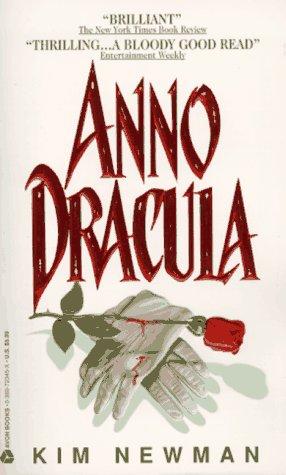
Anno Dracula
Kim Newman · 1992
Immortal voice Vampires emerge from secrecy after Dracula defeats Van Helsing and marries Queen Victoria
Closest Vampire Lestat connection Vampirism becomes public culture, celebrity, politics and fashion rather than a hidden private curse
Main difference An alternate-history ensemble and murder mystery rather than one vampire's memoir
Best for Readers who want alternate history, Victorian horror, literary cameos, vampire politics and a detective plot inside a transformed society.
In 1888, Dracula is Prince Consort and vampires occupy every level of British society. Some humans seek transformation for status; others resist a new ruling class whose appetite has been legalized. Charles Beauregard and elder vampire Geneviève Dieudonné investigate the Silver Knife murders, which target vampire women in Whitechapel and echo the historical Jack the Ripper crimes.
Newman's central pleasure is cultural collision. Historical and fictional figures move through the same London, while becoming a vampire changes class position, public identity and access to power. It ranks ninth because Lestat's intimate voice is absent, but the novel imagines the social world his concert threatens to create: once monsters are famous, people reorganize themselves around the opportunity to be seen by them.
Know before you start. The book includes serial murder, mutilation, sex work, misogyny, political repression, antisemitic period attitudes and dense allusions.
8
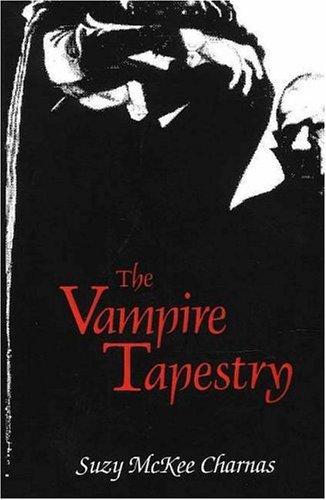
The Vampire Tapestry
Suzy McKee Charnas · 1980
Immortal voice Dr. Edward Weyland is an ancient predator who understands himself as a biological species rather than a supernatural curse
Closest Vampire Lestat connection An intelligent vampire moves through scholarship, psychotherapy and performance while resisting other people's explanations of him
Main difference Linked episodes create a cool psychological portrait instead of a flamboyant gothic autobiography
Best for Readers who want literary science-horror, an unsentimental predator, linked novellas, psychological inquiry and a major influence on modern vampire fiction.
Weyland passes as a respected professor, entering dorm rooms and social systems with the confidence of a creature accustomed to camouflage. Across five connected sections, capture, therapy and cultural encounters force him into relationships he would prefer to classify as temporary arrangements between predator and prey. He is rational, observant and often least trustworthy when he sounds most scientific.
Charnas removes much of the traditional vampire apparatus and asks what remains: hunger, isolation, superior memory and the continuous work of passing. The book ranks eighth because Weyland rejects theatrical self-display, yet his encounters with psychology and art probe the same question that animates Lestat. Can a monster understand himself through human culture without becoming accountable to human morality?
Know before you start. The book includes predation, sexual threat, captivity, coercive therapy, violence and a protagonist whose detachment can feel deliberately cold.
7
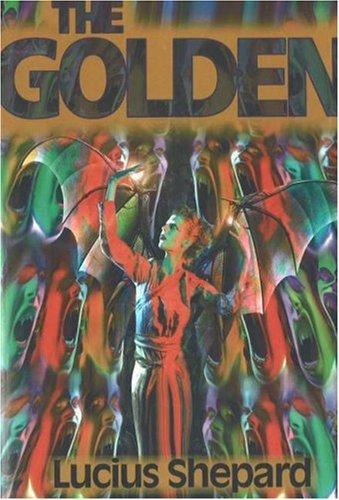
The Golden
Lucius Shepard · 1993
Immortal voice A former Paris police officer, recently made vampire, investigates murder inside an ancient and decadent family
Closest Vampire Lestat connection Beauty, blood, hierarchy and philosophical argument are inseparable within an aristocratic vampire culture
Main difference A baroque closed-circle mystery rather than a personal history spanning centuries
Best for Readers who want lush prose, a vampire detective, castle intrigue, biological speculation and a forgotten 1990s horror novel with genuine ambition.
Every three hundred years, the vampire Family gathers at Castle Banat to drink the Golden, the carefully selected human whose blood renews them. On the eve of the ceremony, she is murdered. Michel Beheim, once a police official and now a young vampire, must identify a killer among immortals whose alliances, experiments and debates about the Family's future have matured over centuries.
Shepard treats the castle as an aesthetic system built to conceal appetite. Rooms, bodies and rituals are beautiful because power has had unlimited time to refine them. The mystery gives Beheim a reason to examine the culture that made him, including plans to survive daylight and arguments over migration. It ranks seventh for matching Rice's decadence and philosophical vampires while offering a more self-contained, formally investigative story.
Know before you start. The book includes murder, blood rituals, sexual exploitation, captivity, power imbalance, body experimentation and deliberately ornate prose.
6
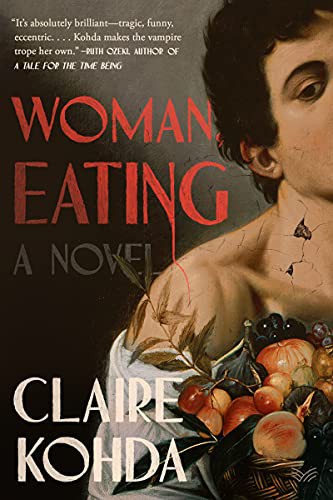
Woman, Eating
Claire Kohda · 2022
Immortal voice A young vampire artist tries to establish an independent life in contemporary London
Closest Vampire Lestat connection Art provides a language for hunger, self-invention and the wish to be witnessed without being exposed
Main difference Quiet alienation and precarious work replace rock-star spectacle and historical grandeur
Best for Readers who want literary horror, an artist protagonist, contemporary London, identity, family estrangement and a short novel built from close observation.
Lydia has left her vampire mother and taken an internship at an art studio. She wants ordinary experiences—food, colleagues, a private room, creative work—but animal blood is difficult to obtain and human intimacy creates risks she cannot explain. Her mixed Japanese and Malaysian heritage, estrangement and hunger converge in the question of what parts of identity can be chosen.
Kohda reverses Lestat's scale while retaining his link between appetite and performance. Lydia does not command a stage; she struggles to occupy a workspace without disappearing into what other people need her to be. The novel ranks sixth because it is the most restrained selection, but its use of contemporary art and bodily hunger makes it a precise study of vampirism as both material condition and unstable self-portrait.
Know before you start. The book includes disordered eating imagery, blood consumption, animal death, parental control, racism, precarious housing and sexual unease.
5
The Gilda Stories
Jewelle Gomez · 1991
Immortal voice An unnamed enslaved girl becomes Gilda and moves through two hundred years of Black and queer history
Closest Vampire Lestat connection Immortality is a sequence of historical selves shaped through memory, community and the ethics of feeding
Main difference A collective, nurturing vampire tradition rejects Lestat's aristocratic individualism
Best for Readers who want Black speculative fiction, queer history, linked stories, ethical vampires, chosen family and a novel whose future matters as much as its past.
After escaping slavery in Louisiana in 1850, the girl is taken in by women who offer protection, work and eventually transformation. As Gilda moves through different cities and eras, vampirism becomes a practice with obligations. Feeding can involve exchange rather than destruction, and long life creates responsibility to remember people whom official history discards.
Gomez uses the vampire's historical mobility to ask who gets to imagine a future. Gilda's identities change, but community prevents reinvention from becoming simple abandonment. It ranks fifth because its ethics differ sharply from Rice's glamorous predation, and that difference is productive. Readers interested in immortality, queer chosen family and history will find a powerful alternative to the solitary immortal genius.
Know before you start. The book includes slavery, racism, sexual violence, homophobia, blood feeding, death and violence across multiple historical periods.
4
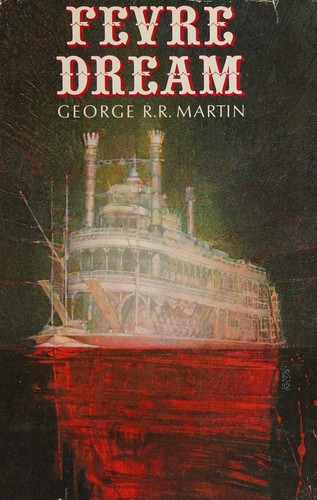
Fevre Dream
George R. R. Martin · 1982
Immortal voice Joshua York attempts to lead his species away from human predation while Damon Julian treats appetite as the only honest law
Closest Vampire Lestat connection Charismatic vampires debate whether beauty, friendship and self-command can redeem a creature built to consume
Main difference The story is largely seen through a human steamboat captain on the antebellum Mississippi
Best for Readers who want historical horror, steamboats, male friendship, rival vampire philosophies, patient worldbuilding and a complete standalone.
Abner Marsh accepts a mysterious partner's money to build the magnificent steamboat Fevre Dream. Joshua York's secrecy and strange schedule soon reveal a private war among vampires. York believes a substitute for blood may free his kind; Damon Julian regards restraint as weakness and other beings as instruments of pleasure.
Martin pairs gothic vampirism with the commercial theater of riverboats. The vessel is art, business, home and public performance, while Joshua's refinement competes with Julian's older charisma. It ranks fourth because the vampire voice is mediated through Marsh, but the novel shares Rice's interest in monstrous leadership and the question of whether an immortal can choose an identity stronger than hunger.
Know before you start. The novel includes slavery and racist period language, murder, blood feeding, child endangerment, torture and cruelty by immortal predators.
3
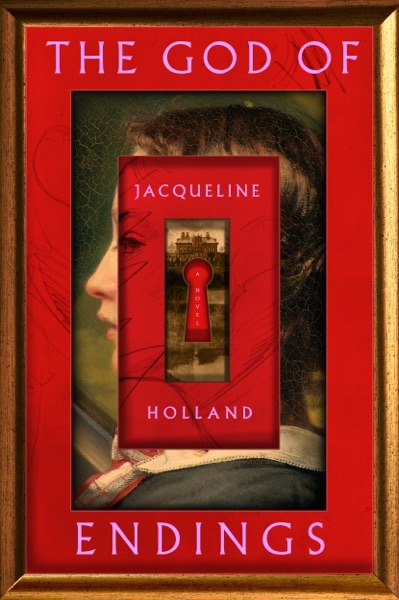
The God of Endings
Jacqueline Holland · 2023
Immortal voice Collette LeSange, transformed as a child in the nineteenth century, runs a fine-arts school while recounting the long life that brought her there
Closest Vampire Lestat connection Art, memory and historical reinvention become ways to survive an immortality that never resolves grief
Main difference A melancholy, introspective woman seeks containment rather than fame
Best for Readers who want a long literary gothic, dual timelines, art, folklore, female immortality and a gradual accumulation of emotional consequence.
In 1984, Collette teaches children in upstate New York and maintains a careful routine around blood supplied by a relative. A gifted, troubled student draws her into a family's danger just as her hunger begins changing. Interwoven chapters follow her across Europe and America, revealing the losses, identities and compromises hidden beneath her quiet present.
Holland gives immortality weight by refusing to treat each era as costume. Collette remembers dependence, war, failed belonging and the people whose shorter lives shaped hers. Painting and teaching offer continuity, but no aesthetic practice can permanently domesticate appetite. It ranks third as the strongest recent literary match for readers who want Rice's historical sweep and artistic vampires without Lestat's exuberant ego.
Know before you start. The novel includes child death, war, antisemitism, blood drinking, animal harm, domestic violence, grief and threats against children.
2
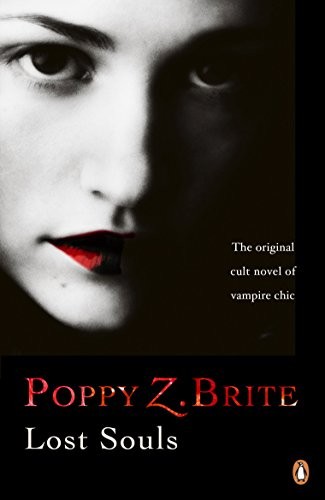
Lost Souls
Poppy Z. Brite · 1992
Immortal voice Beautiful nomadic vampires and damaged musicians converge in the clubs and roads of the American South
Closest Vampire Lestat connection Vampirism, rock music, sexual charisma and performed identity become one dangerous scene
Main difference An ensemble of young outsiders replaces the reflective authority of a centuries-old narrator
Best for Readers who want Southern Gothic, queer horror, alternative music, road fiction, lush sensory prose and genuinely dangerous vampires.
Nothing, a teenager who has always felt alien inside his adoptive family, leaves home seeking the truth of his origins. His path converges with Zillah, Molochai and Twig, vampires whose beauty and violence attract people before those people understand the cost. In Missing Mile, North Carolina, musicians Ghost and Steve are already carrying their own grief and instability when the travelers arrive.
No other ranked novel matches the rock-and-blood surface of The Vampire Lestat so directly. Brite understands music as refuge, signal and predatory atmosphere. The book ranks second rather than first because its sexual violence and nihilism make it a harsher recommendation, and its vampires possess less interest in moral explanation. For readers who want decadent 1990s goth culture and monsters who look like the night they promise, it is unrivaled.
Know before you start. The novel includes incest, sexual violence, extreme age and power imbalance, murder, self-harm, substance use and graphic blood consumption.
1
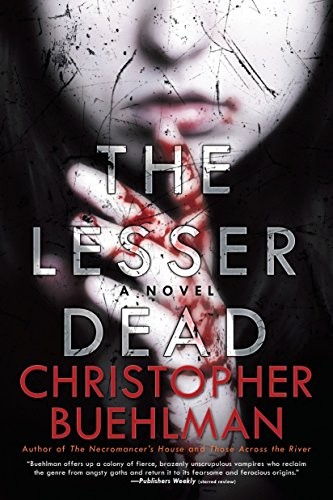
The Lesser Dead
Christopher Buehlman · 2014
Immortal voice Joey Peacock, a permanently adolescent vampire, narrates life beneath 1978 New York with charm he repeatedly warns readers not to trust
Closest Vampire Lestat connection A magnetic first-person vampire turns confession into theater while performing youth, taste and moral self-awareness
Main difference Subway tunnels and feral survival replace palaces, world history and celebrity
Best for Readers who want the closest narrative match, a charismatic unreliable vampire, 1970s New York, tunnel horror, dark humor and a decisive ending.
Joey lives with a small colony beneath Manhattan, feeding under rules intended to keep their existence hidden. He remembers his transformation, comments on clothes and music and presents himself as more civilized than the predators he fears. When childlike vampires appear in the tunnels, the colony confronts a form of hunger that makes its own compromises look almost ethical.
Buehlman wins the top spot through voice. Joey flatters the reader, anticipates judgment and controls the order in which evidence about himself appears. Like Lestat, he is funniest and most persuasive precisely when caution is most necessary. The novel has less historical sweep, but it offers the strongest contemporary example of a vampire narrator making an audience complicit in his self-creation.
Know before you start. The book includes childlike predators, sexual violence, murder, grooming, blood drinking, homophobic period language and a deliberately manipulative narrator.
Which Vampire Novel Should You Read First?
Where to start. Choose The Lesser Dead for the closest experience of being personally addressed by a charming vampire whose version of events cannot be accepted at face value. Choose Lost Souls if Lestat's rock-star transformation and the dangerous beauty of vampire subculture interest you most.
Read The God of Endings for a slower, more literary history of immortality and art. Fevre Dream offers the best moral conflict between rival visions of what vampires should become, while The Gilda Stories provides the most important ethical and historical alternative to aristocratic vampirism.
For short contemporary fiction, choose Woman, Eating. The Golden is the hidden gem for readers who want decadent vampire society plus an actual murder mystery. Start with Anno Dracula for public vampire politics, The Vampire Tapestry for biological and psychological speculation, or I, Strahd for a concise villain memoir.
Vampire fiction often treats immortality as a guarantee of significance. Rice is more perceptive. Time does not automatically make Lestat wise, and beauty does not make him good. What immortality provides is an immense archive from which he can assemble versions of himself. The rock concert is therefore an ideal vampire act: confession delivered at such volume that an audience experiences submission as participation.
The Lesser Dead ranks first because Joey Peacock understands that same power on a smaller stage. Lost Souls brings blood and music together most completely, while The God of Endings offers the richest recent study of art as an immortal coping mechanism. The ten novels disagree about whether vampires can become ethical, but all recognize that a monster with style is still a monster—and style may be the reason people step closer.