Ranked · Fiction
The Top 10 Fashion and Publishing Novels About Impossible Bosses and Dying Magazines Like The Devil Wears Prada 2
by E. M. Larkin
A ranked guide to former assistants, legacy editors, glossy offices, luxury money, digital disruption, workplace revenge, and fashion institutions under pressure
The Devil Wears Prada 2 returns Miranda Priestly, Andy Sachs and Emily Charlton to an industry where print prestige now depends on luxury money, digital attention and old relationships nobody truly escaped. After its major 2026 theatrical run, the sequel reaches Disney+ and Hulu on July 29. Search demand is enormous, but broad “books like The Devil Wears Prada” results mostly recycle workplace comedies from the first film’s era. This list targets the sequel’s sharper conflict: fashion institutions trying to survive while former assistants acquire power of their own.
The ranked novels move through magazines, publishing houses, designer archives, luxury retail and New York social worlds. Every book includes at least two of the following: an impossible superior, a threatened legacy business, an assistant who knows where the bodies are buried, or fashion used as access to status. The list avoids memoir and concentrates on fiction that lets ambition, labor and image collide.
The ranking favors workplace detail, female professional rivalry and plots in which an established tastemaker confronts a changed economy. The top choice is almost uncannily aligned with the sequel: an editor returns to a glossy magazine and discovers that her former assistant has transformed it into a technology-driven operation she barely recognizes.
Selection note. These novels are ranked for fashion or publishing workplaces, unequal mentorship and institutions facing cultural or financial change. Some are sharp satires; others are historical or family dramas about the objects fashion leaves behind.
10
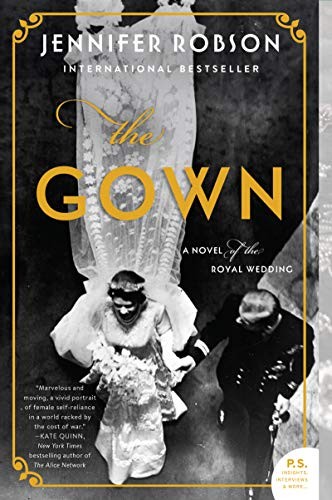
The Gown
Jennifer Robson · 2018
Workplace pressure Two embroiderers help create Princess Elizabeth’s wedding gown while a later generation uncovers their hidden labor
Closest The Devil Wears Prada 2 connection The finished garment carries prestige while the women who made it remain largely invisible
Main difference A warm dual-timeline historical novel with no tyrannical magazine editor
Best for Historical fashion, female friendship, embroidery, postwar London, dual timelines and an uplifting standalone
In postwar London, Ann Hughes and Miriam Dassin work at Norman Hartnell’s fashion house as the royal wedding approaches. Decades later, Ann’s granddaughter discovers embroidered flowers and begins tracing a life her family barely discussed. The gown connects individual craft to a public image designed to symbolize national renewal.
Robson ranks tenth because its tone is far gentler than Miranda’s workplace, but it corrects the fantasy that fashion appears through taste alone. Deadlines, skilled hands, rationing and credit matter. For viewers interested in who actually builds the image beneath executive glamour, the embroiderers provide a useful change in altitude.
Know before you start. Includes Holocaust survival, wartime trauma, antisemitism and grief. The novel fictionalizes workers around a real royal garment.
9
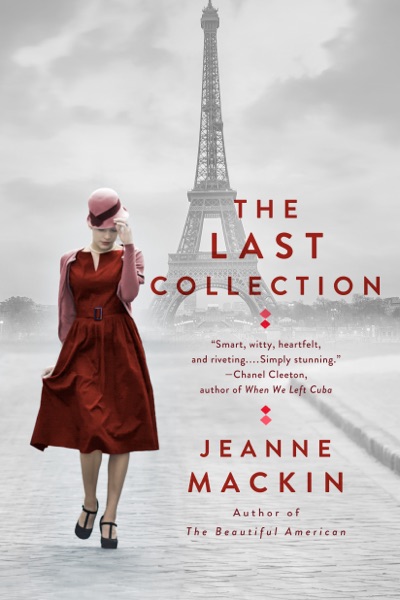
The Last Collection
Jeanne Mackin · 2019
Workplace pressure An American artist is drawn into the rivalry between designers Elsa Schiaparelli and Coco Chanel
Closest The Devil Wears Prada 2 connection Powerful fashion women turn taste, access and personal history into professional weapons
Main difference A 1930s historical novel about designers rather than assistants trying to save a modern magazine
Best for Paris fashion history, designer rivalry, art, romance and a glamorous prewar setting
Lily Sutter arrives in Paris and becomes connected to Schiaparelli and Chanel as their contrasting visions compete in a city moving toward war. Her outsider position provides access to ateliers, society and a rivalry in which creative philosophy cannot be separated from status or politics.
Mackin’s fashion leaders are more mythic than managerial, but their battle shows how a brand can become an extension of a founder’s personality. It ranks ninth because the narrator sometimes observes rather than drives the conflict. Readers wanting couture history and two Miranda-scale egos, however, will find the pairing irresistible.
Know before you start. Includes war, fascist associations, grief and fictionalized versions of real people. Historical interpretation is shaped for narrative drama.
8
One Fifth Avenue
Candace Bushnell · 2008
Workplace pressure Residents of a prestigious Manhattan building compete over wealth, media status and social access
Closest The Devil Wears Prada 2 connection New York prestige is an economy whose gatekeepers discover that digital attention can outrun inherited authority
Main difference A broad social ensemble with little day-to-day fashion-magazine labor
Best for Manhattan satire, wealth, media careers, multiple viewpoints and social maneuvering
The death of a wealthy resident creates an opening in One Fifth Avenue, drawing established cultural figures, ambitious newcomers and online gossip into competition. Careers in writing, film and finance intersect with marriage and property, while the building functions as both address and ranking system.
Bushnell ranks eighth for her attention to a transitional media class. Characters who understand old cultural prestige confront people who can manufacture visibility faster and with fewer rules. The novel is less focused than the higher workplace books, but it captures the social habitat where Miranda’s authority and Emily’s new leverage would be immediately legible.
Know before you start. Includes adultery, ageism, class cruelty and cynical relationships. The large cast and 2008 digital culture can feel period-specific.
7
Bergdorf Blondes
Plum Sykes · 2004
Workplace pressure A fashion-magazine contributor moves through Manhattan’s wealthy dating and shopping circuit
Closest The Devil Wears Prada 2 connection Fashion journalism, social access and luxury consumption merge until personal life becomes copy
Main difference A frothy social comedy more interested in romance and status than institutional decline
Best for Fashion-world comedy, early-2000s Manhattan, romance, luxury detail and a brisk satirical voice
The unnamed narrator belongs to a circle of privileged women whose hair appointments, engagements and social rituals create an elaborate private vocabulary. Her magazine work offers entry to the same world she reports on, while the search for a suitable partner exposes how carefully effortless status must be maintained.
Sykes provides the glossy surface that workplace fashion novels often treat only as the boss’s demand. The narrator is not an exploited outsider like Andy; she is a participant whose livelihood depends on converting access into voice. It ranks seventh because the stakes are intentionally light, but its insider satire makes an instructive time capsule of the culture the sequel revisits.
Know before you start. Includes classism, body scrutiny, dated slang and shallow behavior presented both critically and affectionately. Plot is secondary to milieu.
6
The Fashion Orphans
Randy Susan Meyers and M. J. Rose · 2022
Workplace pressure Estranged sisters inherit a collection of designer clothes instead of the financial legacy they expected
Closest The Devil Wears Prada 2 connection Fashion objects preserve power, memory and unfinished relationships after the original owner is gone
Main difference A family-reconciliation novel centered on inheritance rather than a magazine office
Best for Sister relationships, designer fashion, inheritance, family secrets and an accessible contemporary drama
Gabrielle and Lulu receive their mother’s enormous wardrobe, including valuable Chanel pieces, and must decide what the collection means and what to do with it. Their different financial needs and memories make appraisal emotionally charged. Following clues embedded in the clothes leads them toward parts of their mother’s life neither understood.
The novel ranks sixth because it treats fashion as archive rather than season. That perspective suits a sequel concerned with legacy institutions: value may reside in brand, scarcity, story or the labor of preserving an object. The sisters’ negotiation is less vicious than Runway politics, but it shows how ownership can force former dependents into adult power.
Know before you start. Includes parental death, estrangement, financial stress and grief. Readers seeking sharp workplace satire will find a warmer domestic story.
5
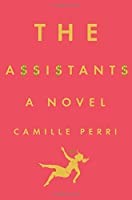
The Assistants
Camille Perri · 2016
Workplace pressure An underpaid executive assistant accidentally discovers a way to redirect corporate money toward colleagues’ student debt
Closest The Devil Wears Prada 2 connection Invisible assistants transform privileged access into collective leverage against the people who overlook them
Main difference A corporate embezzlement comedy outside fashion publishing
Best for Workplace satire, student debt, female solidarity, a quick caper and morally complicated wish fulfillment
Tina Fontana manages the life of a powerful media executive while her own finances remain precarious. An expense-report error presents a choice, and one private act expands as other assistants recognize a system capable of redistributing money toward debts their salaries cannot touch.
Perri’s workplace is less glamorous but structurally familiar: assistants possess passwords, calendars and crisis knowledge while remaining economically disposable. It ranks fifth because the novel imagines what happens when support staff stop treating proximity as reward. Emily’s rise from Miranda’s assistant to executive power makes that reversal especially relevant.
Know before you start. Includes fraud, workplace exploitation, anxiety and romantic complications. The mechanics favor comic momentum over strict legal realism.
4
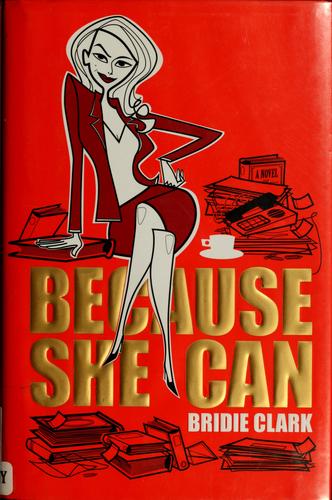
Because She Can
Bridie Clark · 2007
Workplace pressure A young editor takes a coveted job under a legendary publisher whose volatility dominates the office
Closest The Devil Wears Prada 2 connection Prestige persuades an employee to normalize an impossible woman boss and an institution organized around her moods
Main difference Book publishing rather than fashion, with a roman-à-clef flavor tied to its era
Best for Publishing gossip, a demanding female boss, assistant burnout, romance and recognizable workplace satire
Claire Truman leaves a comfortable position for an opportunity at a major publishing house led by Vivian Grant. The job promises access and acceleration, but Vivian’s demands, reversals and public humiliations consume Claire’s time and confidence. The question becomes whether proximity to power is still opportunity when it erases the rest of life.
Clark’s direct workplace structure earns fourth place. The novel examines why smart employees stay: each unreasonable demand arrives wrapped in the possibility of being chosen. Unlike a simple villain story, the office itself rewards adaptation to abuse. The 2007 setting now feels historical, but that makes it a useful companion to a sequel measuring how much the prestige economy has changed.
Know before you start. Includes verbal abuse, overwork, class privilege and dated references. Readers familiar with publishing history may recognize the roman-à-clef elements.
3
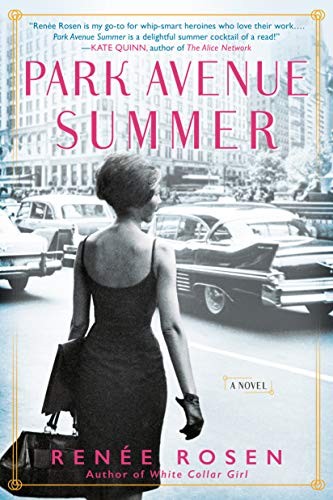
Park Avenue Summer
Renée Rosen · 2019
Workplace pressure A young woman assists Helen Gurley Brown as she attempts to remake Cosmopolitan in 1965
Closest The Devil Wears Prada 2 connection An ambitious editor and her assistant fight to make a threatened magazine relevant under hostile scrutiny
Main difference Historical fiction with a more supportive boss-assistant relationship and real publishing figures
Best for 1960s New York, magazine history, an ambitious assistant, real cultural figures and a hopeful career arc
Alice Weiss arrives in New York hoping to become a photographer and accepts work for the controversial new editor of Cosmopolitan. Brown’s vision attracts ridicule and internal resistance. Alice becomes both witness and participant as the magazine tries to define a new reader while powerful men expect the experiment to fail.
Rosen ranks third because magazine survival is the actual plot rather than background. The boss is demanding but not simply monstrous, and the assistant’s loyalty includes genuine belief in the editorial project. That contrast makes the novel useful beside Prada 2: it shows why a magazine might deserve saving even when its methods and leadership remain imperfect.
Know before you start. Includes sexism, workplace harassment, infidelity and historical attitudes. The novel fictionalizes private details around documented publishing history.
2
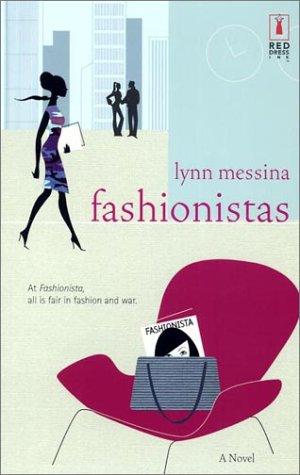
Fashionistas
Lynn Messina · 2003
Workplace pressure A fashion-magazine employee joins a covert attempt to undermine her tyrannical editor
Closest The Devil Wears Prada 2 connection Assistant-level workers convert inside knowledge and accumulated humiliation into rebellion against the boss
Main difference A broad early-2000s comedy whose conspiracy is more openly farcical
Best for Fashion-magazine satire, office conspiracy, female colleagues, quick comedy and an artifact of pre-social-media glossies
Vig Morgan works at Fashionista under an editor who treats staff as expendable extensions of her authority. When colleagues begin organizing a plan to remove the woman at the top, workplace resentment becomes plot. Vig must decide whether liberation is possible without becoming another version of the culture she hates.
Messina appeared in the same early-2000s moment as The Devil Wears Prada and provides an independent snapshot of the glossy-office ecosystem. It ranks second because it centers collective response rather than one assistant’s escape. The jokes and cultural references belong to 2003, but the fantasy of employees finally coordinating against an impossible boss remains fresh.
Know before you start. Includes bullying, body judgment, classism and dated attitudes. The plot is intentionally exaggerated and less polished than contemporary workplace fiction.
1
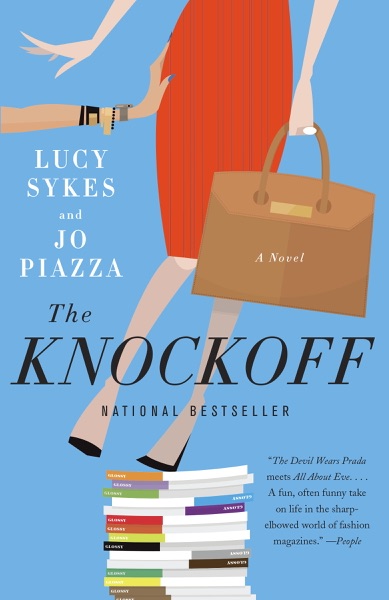
The Knockoff
Lucy Sykes and Jo Piazza · 2015
Workplace pressure A veteran magazine editor returns from medical leave to find her former assistant running a digital transformation
Closest The Devil Wears Prada 2 connection A legacy fashion authority confronts a tech-powered former subordinate who controls the institution’s future
Main difference A comic role reversal told closer to the threatened editor’s perspective than Andy’s
Best for Fashion publishing, generational rivalry, digital disruption, workplace comedy and a satisfying commercial plot
Imogen Tate has built a career on editorial instinct, relationships and the authority of print. Returning to Glossy after illness, she discovers that Eve Morton—once her assistant—has become a Harvard-educated executive remaking the magazine as an app-driven retail platform. Vocabulary, metrics and office loyalties now belong to a system designed to make Imogen obsolete.
The resemblance to the sequel’s conflict is extraordinary: former assistant versus established editor, luxury commerce versus editorial tradition, and a magazine whose survival may require destroying the culture that gave it prestige. It takes first place because neither woman is merely symbolic. Imogen must learn, Eve has legitimate insights as well as ruthless methods, and institutional decline makes every personal grievance strategically useful.
Know before you start. Includes illness, ageism, workplace sabotage, technology caricature and mean-girl behavior. Its 2015 startup language is part satire and part period piece.
Which Fashion-Workplace Novel Should You Read First?
Where to start. Start with The Knockoff for the closest sequel match: a returning editor, a former assistant with new power and a fashion magazine fighting digital obsolescence. Choose Fashionistas when you want the employees’ rebellion from below and do not mind a deliberately broad early-2000s comedy.
Park Avenue Summer is the best magazine-history option and the rare book where the demanding editor’s project earns real loyalty. Because She Can transfers the impossible-boss dynamic to book publishing, while The Assistants turns support workers’ invisible access into a caper.
Read The Gown or The Last Collection for historical fashion labor and designers. The Fashion Orphans treats clothes as inheritance, Bergdorf Blondes supplies pure glossy milieu and One Fifth Avenue widens the lens to the Manhattan status economy in which media authority is made.
The original Devil Wears Prada story asked what an assistant would sacrifice for access. The sequel’s richer question is what happens after access changes hands. Former subordinates acquire budgets, clients and memory; legacy editors discover that prestige cannot pay every bill; technology presents both genuine solution and convenient language for a coup.
The Knockoff wins because it stages that transfer inside one magazine and refuses to make adaptation emotionally neutral. Across the list, fashion and publishing are systems for assigning value—to clothes, voices and people. The impossible boss matters, but the institution that taught everyone to compete for her approval matters more.