Other Mommy has a timely, unusually specific hook for readers. Rob Savage’s Other Mommy reaches theaters October 9, 2026, adapting Josh Malerman’s Incidents Around the House with Jessica Chastain as both Ursula and the entity that appears to be replacing her in the eyes of young Bela.
The books below focus on adult domestic horror about unstable motherhood, doubles or changelings and a child’s fear that the adults controlling the home cannot be trusted. This is not a generic genre starter list. Each selection has been chosen because the mechanism connecting character, setting and conflict resembles the appeal of Other Mommy, even when the period, tone or scale changes.
The ranking favors thematic usefulness over fame. The ranking rewards domestic confinement, maternal identity under pressure, a child-centered threat and ambiguity about whether the monster comes from outside the family or expresses what was already inside it. All ten ranked books come from different authors, and none has appeared as a ranked selection in the earlier Website lists.
Selection note. The ranking rewards domestic confinement, maternal identity under pressure, a child-centered threat and ambiguity about whether the monster comes from outside the family or expresses what was already inside it. The books are not ranked by sales, adaptation potential or superficial resemblance.
10
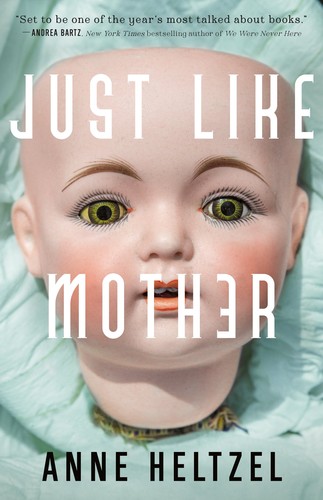
Just Like Mother
Anne Heltzel · 2022
Story engine A woman reconnects with a cousin from the maternal cult in which they were raised
Closest Other Mommy connection weaponized motherhood, manufactured children and a family identity designed to absorb dissent
Main difference Cult and reproductive horror with corporate satire instead of a supernatural entity
Best for Readers drawn to weaponized motherhood, manufactured children and a family identity designed to absorb dissent.
Maeve has built a guarded adult life after escaping the Mother Collective. Her cousin Andrea returns as a successful entrepreneur whose company and domestic ambitions repeat the collective’s doctrine in polished form.
The novel shows how a frightening mother can be an institution rather than one person. Dolls, fertility technology and coercive care blur the line between replacement child, replacement parent and branded ideology. It ranks 10 because its particular balance of investigation, character pressure and setting makes it a distinct rather than interchangeable recommendation.
In ranking terms, Just Like Mother scores especially well on weaponized motherhood, manufactured children and a family identity designed to absorb dissent. That element has causal force because its story engine is specific: A woman reconnects with a cousin from the maternal cult in which they were raised. The tradeoff is equally clear: Cult and reproductive horror with corporate satire instead of a supernatural entity. Readers who prioritize the connection may reasonably place it higher, while readers seeking the screen title’s exact tone should keep the distinction in mind.
Know before you start. Cult abuse, forced pregnancy, infertility, body horror and infant loss.
9
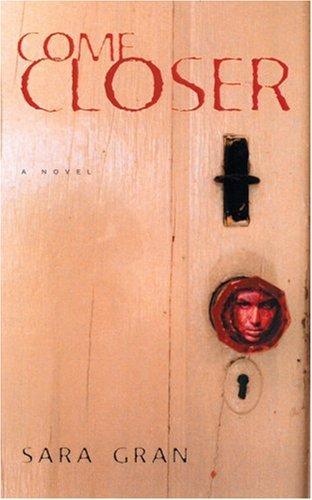
Come Closer
Sara Gran · 2003
Story engine A woman suspects that a demon is replacing her choices with its own appetites
Closest Other Mommy connection a double emerging inside ordinary domestic life and identity becoming impossible to verify
Main difference Adult possession narrated by the threatened woman rather than child-centered horror
Best for Readers drawn to a double emerging inside ordinary domestic life and identity becoming impossible to verify.
Amanda first blames stress for strange sounds and impulsive behavior. As the presence named Naamah grows stronger, work, marriage and memory become evidence that can no longer be trusted.
Gran’s spare first person makes replacement intimate. There is no safe observer who can mark where Amanda ends and the possessing voice begins, so every attempt at resistance may also be part of the takeover. It ranks 9 because its particular balance of investigation, character pressure and setting makes it a distinct rather than interchangeable recommendation.
In ranking terms, Come Closer scores especially well on a double emerging inside ordinary domestic life and identity becoming impossible to verify. That element has causal force because its story engine is specific: A woman suspects that a demon is replacing her choices with its own appetites. The tradeoff is equally clear: Adult possession narrated by the threatened woman rather than child-centered horror. Readers who prioritize the connection may reasonably place it higher, while readers seeking the screen title’s exact tone should keep the distinction in mind.
Know before you start. Possession, sexual violence, murder, self-harm and loss of agency.
8
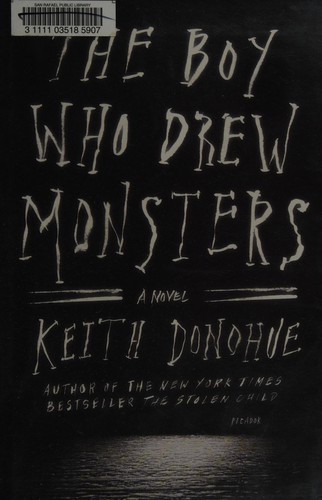
The Boy Who Drew Monsters
Keith Donohue · 2014
Story engine A housebound boy’s drawings begin appearing around his family’s isolated coastal home
Closest Other Mommy connection a frightened child, disbelieving parents and images that may be creating doubles
Main difference A wintry ghost story centered on father and son rather than motherhood
Best for Readers drawn to a frightened child, disbelieving parents and images that may be creating doubles.
After a near-drowning, Jip refuses to leave the house and obsessively draws creatures. His parents’ marriage strains as sounds, figures and a pale presence appear beyond the windows.
Donohue uses the child’s apparent vulnerability to control adult interpretation. The coastal setting and withheld family history create a cruel puzzle about whether art reports trauma, summons it or disguises the identity of the witness. It ranks 8 because its particular balance of investigation, character pressure and setting makes it a distinct rather than interchangeable recommendation.
In ranking terms, The Boy Who Drew Monsters scores especially well on a frightened child, disbelieving parents and images that may be creating doubles. That element has causal force because its story engine is specific: A housebound boy’s drawings begin appearing around his family’s isolated coastal home. The tradeoff is equally clear: A wintry ghost story centered on father and son rather than motherhood. Readers who prioritize the connection may reasonably place it higher, while readers seeking the screen title’s exact tone should keep the distinction in mind.
Know before you start. Child trauma, drowning, marital conflict and a bleak twist.
7
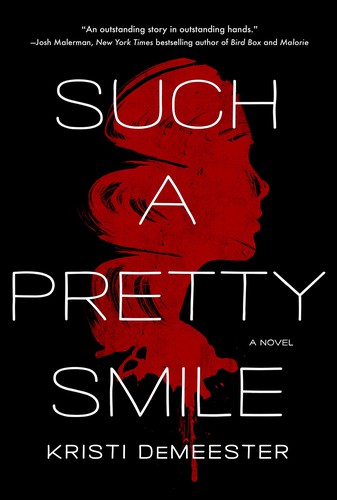
Such a Pretty Smile
Kristi DeMeester · 2022
Story engine A mother and daughter confront a force that punishes girls whose anger becomes visible
Closest Other Mommy connection inherited female fear, predatory transformation and a family struggling to name the same monster
Main difference Broader social body horror across two timelines
Best for Readers drawn to inherited female fear, predatory transformation and a family struggling to name the same monster.
Lila experiences disturbing physical changes and violent impulses while her artist mother Caroline recognizes patterns from her own youth. Their divided accounts reveal how silence passes a predator between generations.
The novel treats monstrosity as both threat and refusal. Mothers cannot protect daughters by teaching them to disappear, yet visible anger attracts punishment, creating a trap the family must consciously break. It ranks 7 because its particular balance of investigation, character pressure and setting makes it a distinct rather than interchangeable recommendation.
In ranking terms, Such a Pretty Smile scores especially well on inherited female fear, predatory transformation and a family struggling to name the same monster. That element has causal force because its story engine is specific: A mother and daughter confront a force that punishes girls whose anger becomes visible. The tradeoff is equally clear: Broader social body horror across two timelines. Readers who prioritize the connection may reasonably place it higher, while readers seeking the screen title’s exact tone should keep the distinction in mind.
Know before you start. Sexual violence, misogyny, body horror, grooming and animal harm.
6
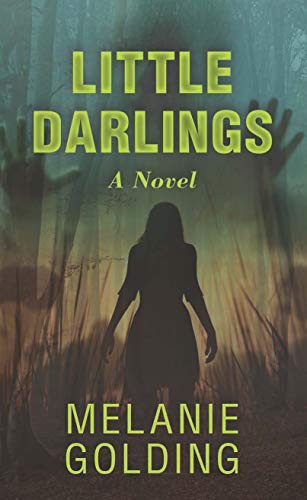
Little Darlings
Melanie Golding · 2019
Story engine A mother of newborn twins believes a river-dwelling woman tried to exchange them for changelings
Closest Other Mommy connection a maternal double, replaced children and institutions treating supernatural fear as pathology
Main difference A police thread shares focus with the mother’s experience
Best for Readers drawn to a maternal double, replaced children and institutions treating supernatural fear as pathology.
Lauren sees a filthy woman in the maternity ward and later insists that the twins returned from an abduction are not hers. Detective Jo Harper is the rare outsider willing to test the story rather than dismiss it.
Golding places folklore against postpartum medicine without making either a cheap answer. The mystery asks whether safeguarding systems can recognize danger when the witness presents in the language of a fairy tale. It ranks 6 because its particular balance of investigation, character pressure and setting makes it a distinct rather than interchangeable recommendation.
In ranking terms, Little Darlings scores especially well on a maternal double, replaced children and institutions treating supernatural fear as pathology. That element has causal force because its story engine is specific: A mother of newborn twins believes a river-dwelling woman tried to exchange them for changelings. The tradeoff is equally clear: A police thread shares focus with the mother’s experience. Readers who prioritize the connection may reasonably place it higher, while readers seeking the screen title’s exact tone should keep the distinction in mind.
Know before you start. Postpartum mental illness, infant abduction, drowning imagery and child peril.
5
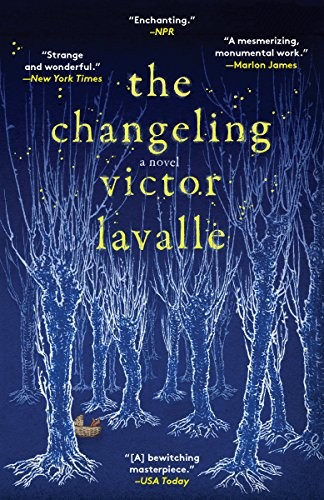
The Changeling
Victor LaValle · 2017
Story engine A father enters a hidden New York after his wife commits an unthinkable act involving their baby
Closest Other Mommy connection a disputed child, folklore inside modern family life and parents divided by what they believe they saw
Main difference The father’s perspective and urban quest widen the story beyond one house
Best for Readers drawn to a disputed child, folklore inside modern family life and parents divided by what they believe they saw.
Apollo Kagwa treats fatherhood as a chance to repair his own abandonment. When Emma insists that something is wrong with their son, disbelief helps drive the family toward catastrophe and a community shaped by older stories.
LaValle makes the changeling legend a test of who receives epistemic authority. Technology records family life constantly, yet the decisive truth remains invisible to the person most confident he understands the home. It ranks 5 because its particular balance of investigation, character pressure and setting makes it a distinct rather than interchangeable recommendation.
In ranking terms, The Changeling scores especially well on a disputed child, folklore inside modern family life and parents divided by what they believe they saw. That element has causal force because its story engine is specific: A father enters a hidden New York after his wife commits an unthinkable act involving their baby. The tradeoff is equally clear: The father’s perspective and urban quest widen the story beyond one house. Readers who prioritize the connection may reasonably place it higher, while readers seeking the screen title’s exact tone should keep the distinction in mind.
Know before you start. Infant death, parental grief, violence, racism and internet harassment.
4
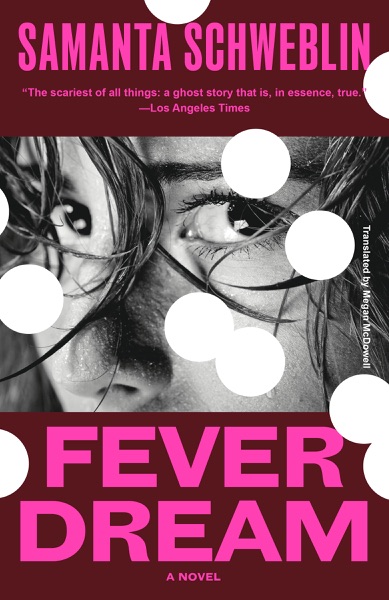
Fever Dream
Samanta Schweblin · 2014
Story engine A dying mother reconstructs how her daughter may have been changed after poisoning
Closest Other Mommy connection a child who returns altered and a mother unable to locate the moment of replacement
Main difference A rural ecological nightmare told as an interrogation
Best for Readers drawn to a child who returns altered and a mother unable to locate the moment of replacement.
Amanda lies in a clinic while a boy named David demands that she identify the important point in her story. Her account of pesticides, illness and a spiritual migration gradually explains why several local children seem wrong.
The compressed dialogue gives maternal vigilance a terrifying form: Amanda’s protective ‘rescue distance’ can measure physical danger but not contamination that changes identity. The novel never offers the comfort of a stable monster. It ranks 4 because its particular balance of investigation, character pressure and setting makes it a distinct rather than interchangeable recommendation.
In ranking terms, Fever Dream scores especially well on a child who returns altered and a mother unable to locate the moment of replacement. That element has causal force because its story engine is specific: A dying mother reconstructs how her daughter may have been changed after poisoning. The tradeoff is equally clear: A rural ecological nightmare told as an interrogation. Readers who prioritize the connection may reasonably place it higher, while readers seeking the screen title’s exact tone should keep the distinction in mind.
Know before you start. Child poisoning, environmental illness, body horror and severe ambiguity.
3
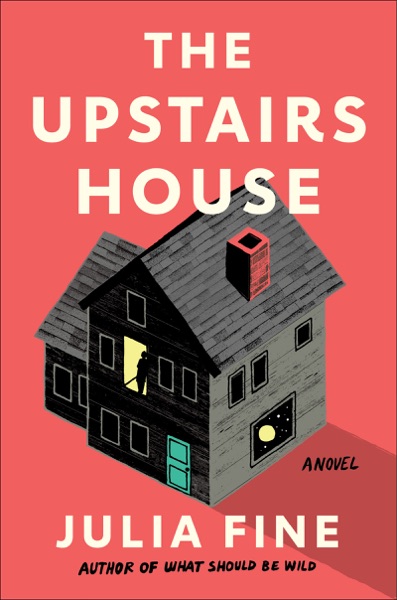
The Upstairs House
Julia Fine · 2021
Story engine A new mother is haunted by the ghost of children’s author Margaret Wise Brown and her former lover
Closest Other Mommy connection a destabilized mother, a compromised home and an apparition others can dismiss as illness
Main difference Literary postpartum ghost story without a predatory child
Best for Readers drawn to a destabilized mother, a compromised home and an apparition others can dismiss as illness.
Megan is isolated with a newborn, unfinished academic work and a body she no longer recognizes. The women appearing upstairs attach her personal crisis to a contested literary history.
Fine refuses to separate artistic ambition from maternal exhaustion. The haunting supplies language for identities that domestic life has crowded out, making recognition—not exorcism—the central struggle. It ranks 3 because its particular balance of investigation, character pressure and setting makes it a distinct rather than interchangeable recommendation.
In ranking terms, The Upstairs House scores especially well on a destabilized mother, a compromised home and an apparition others can dismiss as illness. That element has causal force because its story engine is specific: A new mother is haunted by the ghost of children’s author Margaret Wise Brown and her former lover. The tradeoff is equally clear: Literary postpartum ghost story without a predatory child. Readers who prioritize the connection may reasonably place it higher, while readers seeking the screen title’s exact tone should keep the distinction in mind.
Know before you start. Postpartum depression, medical distress, infant danger and emotional isolation.
2
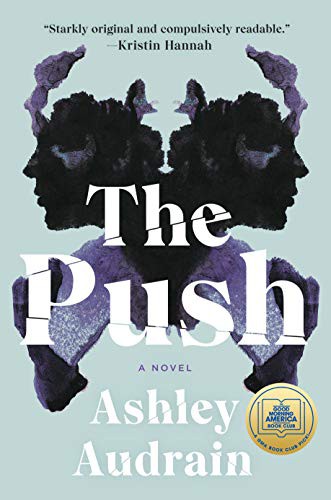
The Push
Ashley Audrain · 2021
Story engine A woman questions whether her daughter is dangerous while everyone around her questions her fitness as a mother
Closest Other Mommy connection maternal dread, an unbelieved parent and a child who controls the family narrative
Main difference A realist psychological novel rather than supernatural horror
Best for Readers drawn to maternal dread, an unbelieved parent and a child who controls the family narrative.
Blythe wants to break a lineage of damaged motherhood, but her relationship with Violet is marked by distance, suspicion and escalating tragedy. Her husband interprets every warning as evidence against Blythe.
The second-person address makes the novel feel like testimony presented to the one person who refused to listen. It keeps both possibilities alive: inherited maternal trauma may distort perception, and perception may be accurate despite trauma. It ranks 2 because its particular balance of investigation, character pressure and setting makes it a distinct rather than interchangeable recommendation.
In ranking terms, The Push scores especially well on maternal dread, an unbelieved parent and a child who controls the family narrative. That element has causal force because its story engine is specific: A woman questions whether her daughter is dangerous while everyone around her questions her fitness as a mother. The tradeoff is equally clear: A realist psychological novel rather than supernatural horror. Readers who prioritize the connection may reasonably place it higher, while readers seeking the screen title’s exact tone should keep the distinction in mind.
Know before you start. Child death, postpartum distress, emotional abuse and ambiguous culpability.
1
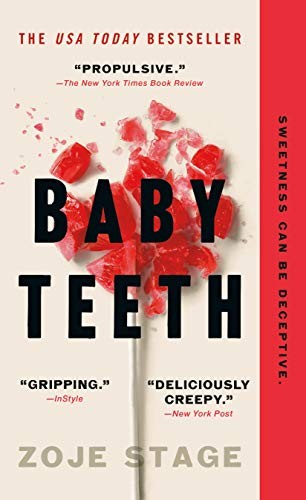
Baby Teeth
Zoje Stage · 2018
Story engine A mother believes her silent young daughter is deliberately trying to remove her from the family
Closest Other Mommy connection a child’s private campaign and a home divided by incompatible versions of motherhood
Main difference Psychological horror without a supernatural double
Best for Readers drawn to a child’s private campaign and a home divided by incompatible versions of motherhood.
Suzette’s health and confidence have been eroded by years of caregiving. Her daughter Hanna behaves lovingly toward her father and cruelly toward Suzette, ensuring that every plea for help sounds like maternal rejection.
Stage weaponizes the credibility gap inside families. The horror depends less on whether Hanna is innately evil than on how quickly a charming child and an accommodating husband can make a mother doubt her right to safety. It ranks 1 because its particular balance of investigation, character pressure and setting makes it the strongest overall match.
In ranking terms, Baby Teeth scores especially well on a child’s private campaign and a home divided by incompatible versions of motherhood. That element has causal force because its story engine is specific: A mother believes her silent young daughter is deliberately trying to remove her from the family. The tradeoff is equally clear: Psychological horror without a supernatural double. Readers who prioritize the connection may reasonably place it higher, while readers seeking the screen title’s exact tone should keep the distinction in mind.
Know before you start. Child violence, chronic illness, animal harm and disturbing family conflict.
Which Other Mommy Read-Alike Should You Read First?
Where to start. Start with Baby Teeth for the best overall match: a child’s private campaign and a home divided by incompatible versions of motherhood. Choose The Push if you want maternal dread, an unbelieved parent and a child who controls the family narrative, or The Upstairs House for a destabilized mother, a compromised home and an apparition others can dismiss as illness.
The rest of the ranking is deliberately varied. Readers who prioritize premise over tone should follow the “Closest connection” field, while readers sensitive to intensity should use “Know before you start.” The lower-ranked books are not weaker novels; they simply reproduce fewer parts of Other Mommy at the same time.
The most useful read-alikes do not copy a screen title’s props. They identify the pressure underneath them. In Other Mommy, that pressure comes from adult domestic horror about unstable motherhood, doubles or changelings and a child’s fear that the adults controlling the home cannot be trusted. The strongest novels on this list turn that pressure into structure rather than decoration.
Baby Teeth offers the closest complete bridge, while The Push and The Upstairs House isolate different parts of the appeal. Together, the ten books provide multiple routes into the same reading need without collapsing into franchise tie-ins or a recycled genre canon.