Blood Sacrifice has a timely, unusually specific hook for readers. Netflix’s Swedish thriller Blood Sacrifice premieres August 20, 2026. After two police officers are murdered, detective Thomas Berg must reunite with his estranged father Alfred, a former officer, to stop a killer targeting police.
The books below focus on crime novels where parents and children—or close surrogate equivalents—must investigate across estrangement, professional inheritance and buried family history. This is not a generic genre starter list. Each selection has been chosen because the mechanism connecting character, setting and conflict resembles the appeal of Blood Sacrifice, even when the period, tone or scale changes.
The ranking favors thematic usefulness over fame. The ranking favors a real investigation, consequential family estrangement, complementary generations and a case that changes how the relatives understand one another. All ten ranked books come from different authors, and none has appeared as a ranked selection in the earlier Website lists.
Selection note. The ranking favors a real investigation, consequential family estrangement, complementary generations and a case that changes how the relatives understand one another. The books are not ranked by sales, adaptation potential or superficial resemblance.
10
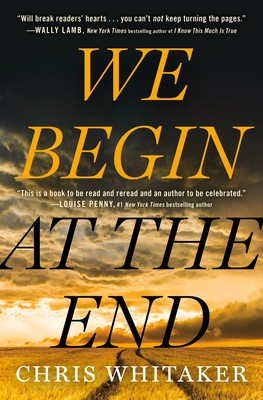
We Begin at the End
Chris Whitaker · 2020
Story engine A police chief tries to protect a volatile girl as an old murder continues reshaping their town
Closest Blood Sacrifice connection surrogate parenthood, small-town investigation and inherited consequences
Main difference A broad ensemble saga with children at its emotional center
Best for Readers drawn to surrogate parenthood, small-town investigation and inherited consequences.
Walk has spent decades loyal to Vincent King, recently released after killing a girl. Duchess Day Radley, fierce protector of her younger brother, becomes entangled when another death breaks the town’s fragile arrangement.
Whitaker shows how adults pass unresolved cases to children as living conditions. Walk’s investigation matters less as puzzle mastery than as an attempt to stop loyalty from demanding another sacrifice. It ranks 10 because its particular balance of investigation, character pressure and setting makes it a distinct rather than interchangeable recommendation.
In ranking terms, We Begin at the End scores especially well on surrogate parenthood, small-town investigation and inherited consequences. That element has causal force because its story engine is specific: A police chief tries to protect a volatile girl as an old murder continues reshaping their town. The tradeoff is equally clear: A broad ensemble saga with children at its emotional center. Readers who prioritize the connection may reasonably place it higher, while readers seeking the screen title’s exact tone should keep the distinction in mind.
Know before you start. Child endangerment, sexual abuse, addiction, murder and grief.
9
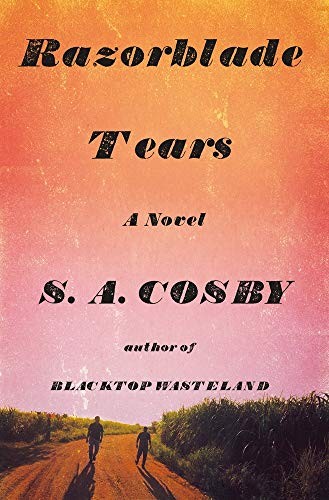
Razorblade Tears
S. A. Cosby · 2021
Story engine Two fathers investigate the murders of their married sons
Closest Blood Sacrifice connection estranged generations, parental regret and family members doing the work police neglect
Main difference The partners are fathers joined by loss rather than parent and child
Best for Readers drawn to estranged generations, parental regret and family members doing the work police neglect.
Ike Randolph and Buddy Lee are divided by race and temperament but united by shame over how they treated their sons. Their search moves through criminal networks and the prejudice that made the couple vulnerable.
Cosby refuses to let revenge erase belated accountability. The fathers’ violence can find killers; it cannot restore the safety and acceptance they withheld while their sons lived. It ranks 9 because its particular balance of investigation, character pressure and setting makes it a distinct rather than interchangeable recommendation.
In ranking terms, Razorblade Tears scores especially well on estranged generations, parental regret and family members doing the work police neglect. That element has causal force because its story engine is specific: Two fathers investigate the murders of their married sons. The tradeoff is equally clear: The partners are fathers joined by loss rather than parent and child. Readers who prioritize the connection may reasonably place it higher, while readers seeking the screen title’s exact tone should keep the distinction in mind.
Know before you start. Graphic violence, racism, homophobia, grief and torture.
8
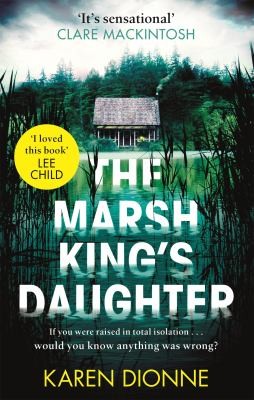
The Marsh King’s Daughter
Karen Dionne · 2017
Story engine A woman hunts the survivalist father who abducted and raised her after he escapes prison
Closest Blood Sacrifice connection a child using skills inherited from a criminal parent to stop him
Main difference A manhunt between adversaries rather than collaborative investigation
Best for Readers drawn to a child using skills inherited from a criminal parent to stop him.
Helena has concealed her origins from her husband and daughters. Her father’s escape forces her back into the marsh and into the tracking knowledge through which he once controlled her.
The pursuit turns inheritance against its source. Helena cannot reject every part of her upbringing without losing the ability to protect her family, so the thriller asks whether skills carry the morality of the teacher. It ranks 8 because its particular balance of investigation, character pressure and setting makes it a distinct rather than interchangeable recommendation.
In ranking terms, The Marsh King’s Daughter scores especially well on a child using skills inherited from a criminal parent to stop him. That element has causal force because its story engine is specific: A woman hunts the survivalist father who abducted and raised her after he escapes prison. The tradeoff is equally clear: A manhunt between adversaries rather than collaborative investigation. Readers who prioritize the connection may reasonably place it higher, while readers seeking the screen title’s exact tone should keep the distinction in mind.
Know before you start. Kidnapping, coercive control, child abuse and wilderness violence.
7
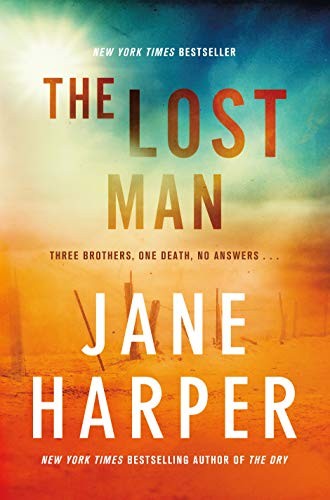
The Lost Man
Jane Harper · 2018
Story engine Two brothers investigate the inexplicable death of their sibling in the Australian outback
Closest Blood Sacrifice connection family members reading a death scene and confronting inherited violence
Main difference No police parent-child duo; the emphasis is brothers and the family system
Best for Readers drawn to family members reading a death scene and confronting inherited violence.
Cameron Bright is found dead far from his stocked vehicle in terrain where such a mistake is nearly impossible. Nathan returns to the family property and tests explanations against old resentments.
Harper makes distance evidentiary. The landscape limits opportunity, while the family’s silence expands motive; solving the death requires understanding what the previous generation normalized. It ranks 7 because its particular balance of investigation, character pressure and setting makes it a distinct rather than interchangeable recommendation.
In ranking terms, The Lost Man scores especially well on family members reading a death scene and confronting inherited violence. That element has causal force because its story engine is specific: Two brothers investigate the inexplicable death of their sibling in the Australian outback. The tradeoff is equally clear: No police parent-child duo; the emphasis is brothers and the family system. Readers who prioritize the connection may reasonably place it higher, while readers seeking the screen title’s exact tone should keep the distinction in mind.
Know before you start. Domestic abuse, suicide, isolation and harsh environmental peril.
6
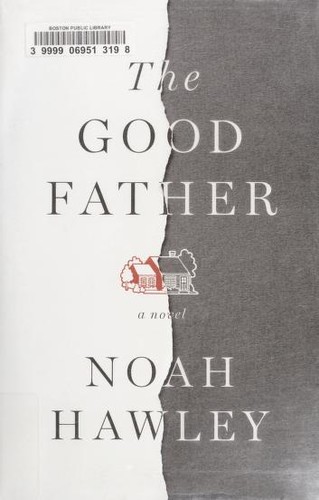
The Good Father
Noah Hawley · 2012
Story engine A doctor investigates how his son could be accused of assassinating a presidential candidate
Closest Blood Sacrifice connection a parent reconstructing an estranged child’s life through a national crime
Main difference More psychological inquiry than conventional mystery
Best for Readers drawn to a parent reconstructing an estranged child’s life through a national crime.
Paul Allen believes the young man on the news cannot be the son he remembers, yet distance has left him little evidence. Medical logic, family history and public narratives compete as he searches for another explanation.
The novel exposes how parents turn investigation into authorship. Paul’s need to find a cause may express love, denial or the belief that knowledge can reverse moral catastrophe. It ranks 6 because its particular balance of investigation, character pressure and setting makes it a distinct rather than interchangeable recommendation.
In ranking terms, The Good Father scores especially well on a parent reconstructing an estranged child’s life through a national crime. That element has causal force because its story engine is specific: A doctor investigates how his son could be accused of assassinating a presidential candidate. The tradeoff is equally clear: More psychological inquiry than conventional mystery. Readers who prioritize the connection may reasonably place it higher, while readers seeking the screen title’s exact tone should keep the distinction in mind.
Know before you start. Political assassination, family estrangement and extremist material.
5
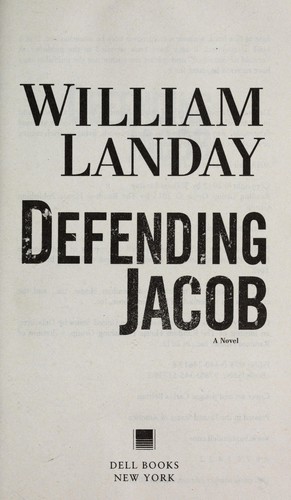
Defending Jacob
William Landay · 2012
Story engine A prosecutor’s teenage son is accused of murdering a classmate
Closest Blood Sacrifice connection law-enforcement inheritance, parental loyalty and evidence that destabilizes family identity
Main difference Parent and child are suspect and defender, not equal investigators
Best for Readers drawn to law-enforcement inheritance, parental loyalty and evidence that destabilizes family identity.
Andy Barber initially treats the murder as another case until evidence points to Jacob. His legal expertise becomes inseparable from his refusal to imagine the child he loves as dangerous.
Landay’s courtroom tension rests on epistemology: a father knows procedures but cannot know another person completely. Professional confidence makes Andy both formidable and unreliable. It ranks 5 because its particular balance of investigation, character pressure and setting makes it a distinct rather than interchangeable recommendation.
In ranking terms, Defending Jacob scores especially well on law-enforcement inheritance, parental loyalty and evidence that destabilizes family identity. That element has causal force because its story engine is specific: A prosecutor’s teenage son is accused of murdering a classmate. The tradeoff is equally clear: Parent and child are suspect and defender, not equal investigators. Readers who prioritize the connection may reasonably place it higher, while readers seeking the screen title’s exact tone should keep the distinction in mind.
Know before you start. Child murder, bullying, family trauma and ambiguous guilt.
4
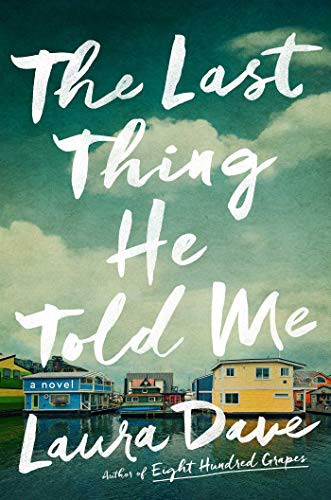
The Last Thing He Told Me
Laura Dave · 2021
Story engine A woman and her stepdaughter investigate why the man connecting them disappeared
Closest Blood Sacrifice connection a strained parent-child relationship transformed by a shared search
Main difference Domestic suspense rather than police procedural
Best for Readers drawn to a strained parent-child relationship transformed by a shared search.
Hannah receives a note telling her to protect Bailey after her husband vanishes amid a corporate investigation. Bailey distrusts Hannah, but each possesses pieces of Owen’s earlier life.
The clues work because the family was compartmentalized. Investigation becomes the first honest project Hannah and Bailey share, and the answer forces them to choose protection without the absent man defining it. It ranks 4 because its particular balance of investigation, character pressure and setting makes it a distinct rather than interchangeable recommendation.
In ranking terms, The Last Thing He Told Me scores especially well on a strained parent-child relationship transformed by a shared search. That element has causal force because its story engine is specific: A woman and her stepdaughter investigate why the man connecting them disappeared. The tradeoff is equally clear: Domestic suspense rather than police procedural. Readers who prioritize the connection may reasonably place it higher, while readers seeking the screen title’s exact tone should keep the distinction in mind.
Know before you start. Fraud, disappearance, family separation and threat.
3
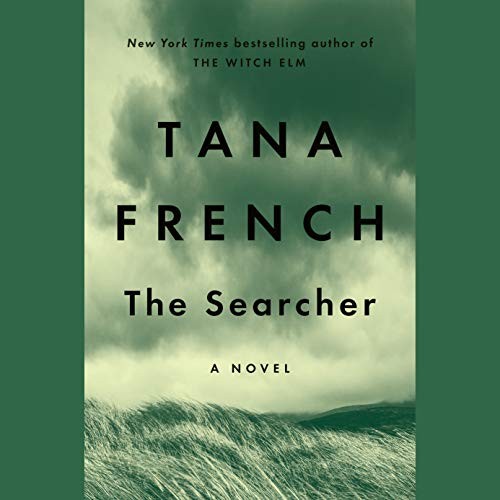
The Searcher
Tana French · 2020
Story engine A retired Chicago detective reluctantly helps a local child find a missing brother in rural Ireland
Closest Blood Sacrifice connection a weary investigator, a younger partner and trust built outside official policing
Main difference A surrogate parent-child bond rather than biological family
Best for Readers drawn to a weary investigator, a younger partner and trust built outside official policing.
Cal Hooper wants isolation after retirement and divorce, but Trey Reddy pressures him to investigate Brendan’s disappearance. The village’s social order depends on Cal understanding what not to ask.
French turns mentorship into an ethical test. Cal can teach Trey investigative habits, yet importing his own idea of justice may expose the child to consequences he will not remain to carry. It ranks 3 because its particular balance of investigation, character pressure and setting makes it a distinct rather than interchangeable recommendation.
In ranking terms, The Searcher scores especially well on a weary investigator, a younger partner and trust built outside official policing. That element has causal force because its story engine is specific: A retired Chicago detective reluctantly helps a local child find a missing brother in rural Ireland. The tradeoff is equally clear: A surrogate parent-child bond rather than biological family. Readers who prioritize the connection may reasonably place it higher, while readers seeking the screen title’s exact tone should keep the distinction in mind.
Know before you start. Violence, child neglect, animal harm and community intimidation.
2
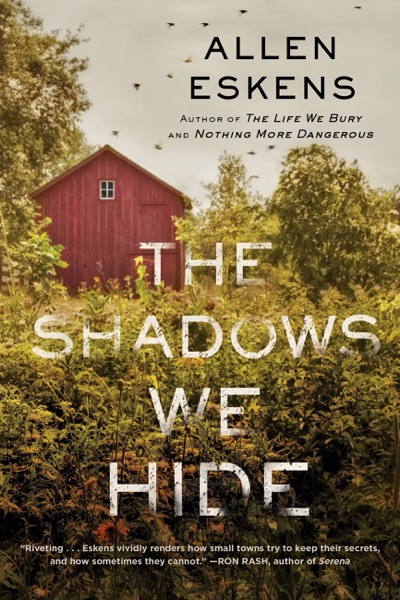
The Shadows We Hide
Allen Eskens · 2018
Story engine A journalist investigates the murder of the father he never knew
Closest Blood Sacrifice connection an estranged son, a dead father’s reputation and a community holding incompatible family stories
Main difference The parent cannot participate directly, and the lead is a reporter
Best for Readers drawn to an estranged son, a dead father’s reputation and a community holding incompatible family stories.
Joe Talbert learns that a man sharing his name has been murdered in a small town. The investigation forces him to ask whether the victim was his father and whether blood connection creates any obligation.
Every interview offers Joe a different inheritance: violence, grievance, abandonment or explanation. The mystery matters because identifying the killer cannot answer the more painful question of what Joe hoped to find. It ranks 2 because its particular balance of investigation, character pressure and setting makes it a distinct rather than interchangeable recommendation.
In ranking terms, The Shadows We Hide scores especially well on an estranged son, a dead father’s reputation and a community holding incompatible family stories. That element has causal force because its story engine is specific: A journalist investigates the murder of the father he never knew. The tradeoff is equally clear: The parent cannot participate directly, and the lead is a reporter. Readers who prioritize the connection may reasonably place it higher, while readers seeking the screen title’s exact tone should keep the distinction in mind.
Know before you start. Murder, alcoholism, abuse and family estrangement.
1
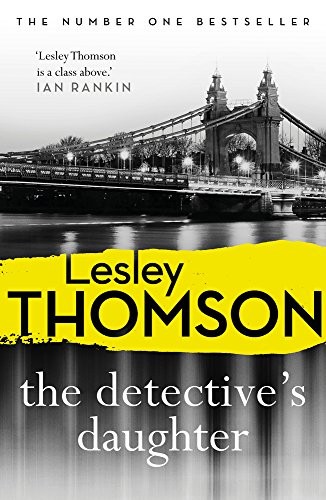
The Detective’s Daughter
Lesley Thomson · 2013
Story engine A cleaner investigates the cold case that obsessed her late detective father
Closest Blood Sacrifice connection a child inheriting a parent’s unfinished police work and reassessing the man behind it
Main difference The father is present through records and memory rather than as a living partner
Best for Readers drawn to a child inheriting a parent’s unfinished police work and reassessing the man behind it.
Stella Darnell approaches death through practical cleaning until her father’s sudden death leaves her his files on a woman murdered near the Thames. Following them draws Stella toward the case and the emotional omissions of her childhood.
Thomson makes evidence a form of posthumous conversation. Stella acquires her father’s habits without forgiving the priorities that damaged their relationship, giving resolution both investigative and familial weight. It ranks 1 because its particular balance of investigation, character pressure and setting makes it the strongest overall match.
In ranking terms, The Detective’s Daughter scores especially well on a child inheriting a parent’s unfinished police work and reassessing the man behind it. That element has causal force because its story engine is specific: A cleaner investigates the cold case that obsessed her late detective father. The tradeoff is equally clear: The father is present through records and memory rather than as a living partner. Readers who prioritize the connection may reasonably place it higher, while readers seeking the screen title’s exact tone should keep the distinction in mind.
Know before you start. Murder, stalking, bereavement and long-buried family secrets.
Which Blood Sacrifice Read-Alike Should You Read First?
Where to start. Start with The Detective’s Daughter for the best overall match: a child inheriting a parent’s unfinished police work and reassessing the man behind it. Choose The Shadows We Hide if you want an estranged son, a dead father’s reputation and a community holding incompatible family stories, or The Searcher for a weary investigator, a younger partner and trust built outside official policing.
The rest of the ranking is deliberately varied. Readers who prioritize premise over tone should follow the “Closest connection” field, while readers sensitive to intensity should use “Know before you start.” The lower-ranked books are not weaker novels; they simply reproduce fewer parts of Blood Sacrifice at the same time.
The most useful read-alikes do not copy a screen title’s props. They identify the pressure underneath them. In Blood Sacrifice, that pressure comes from crime novels where parents and children—or close surrogate equivalents—must investigate across estrangement, professional inheritance and buried family history. The strongest novels on this list turn that pressure into structure rather than decoration.
The Detective’s Daughter offers the closest complete bridge, while The Shadows We Hide and The Searcher isolate different parts of the appeal. Together, the ten books provide multiple routes into the same reading need without collapsing into franchise tie-ins or a recycled genre canon.