DC's Clayface turns a rising Hollywood actor into a revenge-driven monster whose body no longer respects the boundary between performance and identity. The film, directed by James Watkins from a screenplay credited to Mike Flanagan and Hossein Amini, is scheduled for October 23, 2026. Its most promising horror lies inside the character's gift: an actor who can become anyone may lose the stable self from which acting was once possible.
Body horror becomes especially unsettling when transformation is useful. A new body may escape grief, gender, motherhood, illness, or social powerlessness. A double may perform the life its original finds exhausting. A monster may be more capable of love than the human identities it consumes. The terror arrives when adaptation stops feeling voluntary—or when the transformed person no longer wants the old body back.
This ranking favors novels about shapeshifting, replacement, unstable flesh, and identities stolen or manufactured through bodily change. The closest matches combine horror with desire and ask whether a person is the material of the body, the continuity of memory, or merely the role everyone else agrees to recognize.
Selection note. The ranking rewards transformation that destabilizes personhood, especially when love, performance, revenge, or social expectation makes the changed body desirable as well as frightening. Conventional werewolf adventures rank below books that keep identity genuinely uncertain.
10
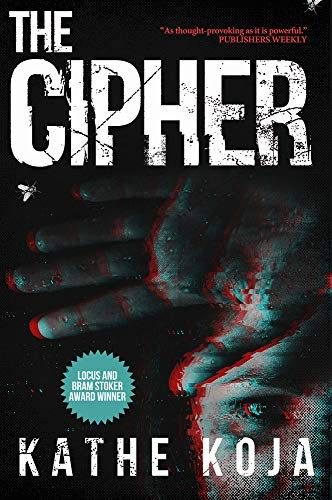
The Cipher
Kathe Koja · 1991
Transformation A lightless hole in a storage room begins changing animals, art, relationships, and the people obsessed with it
Closest Clayface connection Artistic ambition attaches itself to physical corruption until degradation begins to look like creative power
Main difference The body horror grows from an unknowable void rather than a shapeshifter's controllable flesh
Best for Readers who want 1990s grunge horror, toxic artists, visceral prose, unknowable phenomena, obsessive relationships, and no reassuring explanation.
Nicholas and Nakota discover the “Funhole” in their decaying apartment building. Nakota wants to test, film, and exhibit it; Nicholas becomes its reluctant medium. Their experiments attract a circle of damaged artists who treat contamination as access to something authentic.
Koja's horror is sticky, intimate, and contemptuous of clean interpretation. The hole changes bodies, but obsession changes identity first. It ranks tenth because replacement is indirect, yet its fusion of performance, ambition, and mutating flesh offers a grim underground cousin to an actor becoming his material.
Know before you start. The novel includes graphic body horror, animal harm, self-mutilation, sexual violence, addiction, emotional abuse, filth, and nihilism.
9

The Need
Helen Phillips · 2019
Transformation A mother discovers an intruder who appears to be another version of herself, complete with intimate knowledge of her family
Closest Clayface connection Being replaced becomes terrifying because the double can perform the original person's roles with unsettling credibility
Main difference A domestic parallel-world thriller keeps its speculative explanation deliberately unstable
Best for Readers who want maternal anxiety, a fast literary thriller, doubles, parallel possibilities, short chapters, and ambiguity that survives the ending.
Molly, a paleobotanist and mother of two young children, senses someone inside her home. The intruder knows her routines and claims a relationship to the family that is impossible to dismiss. Fear gives way to an unnerving comparison between two lives shaped by slightly different losses.
Phillips makes identity practical. Is the real mother the one with the original memories, the greater sacrifice, or the child who recognizes her? It ranks ninth because the bodies do not visibly melt or mutate, but the double attacks the same fragile agreement that lets a face stand for a self.
Know before you start. The novel includes child peril, parental anxiety, home invasion, grief, violence, breastfeeding, and potentially distressing infant-care scenes.
8

The Devourers
Indra Das · 2015 in India; 2016 in the United States
Transformation Shape-shifting predators move through Indian history by consuming human flesh, memories, and identities
Closest Clayface connection Taking another form also means taking another person's story, making imitation an act of appetite and violation
Main difference A lush historical fantasy frames the monster's account through manuscripts and oral testimony
Best for Readers who want Indian folklore, queer shapeshifters, sensuous prose, historical fantasy, nested stories, and monsters who resist simple moral categories.
In contemporary Kolkata, Alok encounters a stranger who claims to be half werewolf and asks him to transcribe a series of scrolls. The documents tell of shape-shifters whose long lives cross Mughal India and whose transformations preserve sensory memories of the people they consume.
Das treats monstrosity as bodily freedom and inherited violence at once. Gender and desire change across forms, but the ability to become another person rests on consumption. It ranks eighth because its scale is historical rather than Hollywood-gothic, while its deepest question is precisely Clayface's: what remains yours after other lives enter the body?
Know before you start. The novel includes sexual assault, cannibalism, graphic violence, body horror, pregnancy, child death, colonial violence, and transgressive sexuality.
7
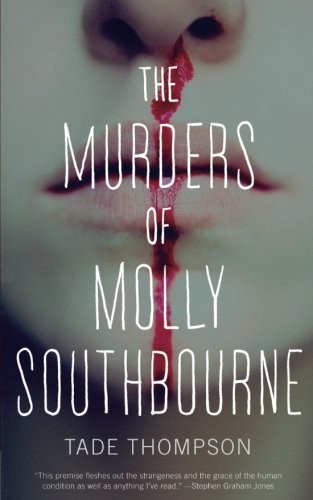
The Murders of Molly Southbourne
Tade Thompson · 2017
Transformation Every drop of Molly's blood can generate a duplicate that eventually tries to kill her
Closest Clayface connection The body endlessly manufactures rival identities, making self-defense indistinguishable from repeated self-destruction
Main difference A compressed science-fiction horror novella focused on one woman's lifelong survival rules
Best for Readers who want a fast, bloody novella, doubles, secret experiments, identity puzzles, and horror built from an elegant speculative rule.
Molly grows up under precise instructions: clean every trace of blood, burn contaminated material, and kill any molly that appears. Menstruation, injury, and ordinary accidents can create a new body with her face and memories. Her parents train her to survive without explaining the full origin of the condition.
Thompson makes duplication both action premise and psychological trap. If every double begins as Molly, when does it become an enemy? It ranks seventh because the copies are solid rather than malleable, but no book more brutally literalizes the fear that another version of the self is competing for the right to exist.
Know before you start. The book includes repeated graphic self-murder, blood, dismemberment, parental abuse, sexual violence, confinement, and medical experimentation.
6

Our Wives Under the Sea
Julia Armfield · 2022
Transformation A marine biologist returns from a deep-sea mission physically present but gradually becoming something her wife cannot recognize
Closest Clayface connection Love continues after the familiar body and personality begin slipping away, turning transformation into ambiguous bereavement
Main difference A quiet queer grief novel where revenge and performance are absent
Best for Readers who want queer love, oceanic horror, lyrical grief, domestic detail, ambiguous transformation, and a short literary novel.
Leah comes home after a research submarine disappears for months. She spends long periods in the bath, drinks salt water, and withdraws from Miri as her body changes. Miri alternates between seeking institutional answers and adapting their home around a wife who may not be returning in any ordinary sense.
Armfield refuses a clean distinction between illness, metamorphosis, and grief. Miri's knowledge of Leah does not grant control over what Leah is becoming. It ranks sixth because the horror is tender and restrained, exposing the emotional core beneath a monster story: recognition may persist after resemblance fails.
Know before you start. The novel includes bodily transformation, illness, bereavement, drowning imagery, medical neglect, parental death, and emotional isolation.
5

Nightbitch
Rachel Yoder · 2021
Transformation An exhausted stay-at-home mother begins believing—and hoping—that she is turning into a dog
Closest Clayface connection A socially assigned role becomes unbearable, and monstrous embodiment offers a more honest performance of rage
Main difference Maternal satire and animal transformation replace crime, revenge, and celebrity
Best for Readers who want feminist body horror, dark comedy, motherhood, art, feral anger, and ambiguity about how literally to read the transformation.
The unnamed mother has left her art career to care for her toddler while her husband travels for work. She notices hair, appetite, physical changes, and nocturnal impulses that suggest canine transformation. Whether literal or psychological, Nightbitch gives shape to anger that polite motherhood requires her to hide.
Yoder makes the new body frightening because it feels liberating. Animal identity permits mess, aggression, desire, and attention outside human standards. It ranks fifth for showing transformation as a performance that may finally be less false than the acceptable self it replaces.
Know before you start. The novel includes animal death, graphic bodily material, maternal rage, child endangerment, marital resentment, blood, and violence.
4
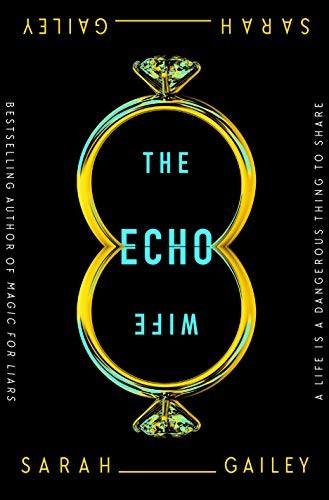
The Echo Wife
Sarah Gailey · 2021
Transformation A scientist's husband uses her cloning research to create a more compliant version of her
Closest Clayface connection Another body can perform the preferred personality so convincingly that authenticity becomes a question of ownership and design
Main difference Human cloning and domestic betrayal replace supernatural shapeshifting
Best for Readers who want a fast science-fiction thriller, clones, a brilliant difficult heroine, marital betrayal, laboratory ethics, and morally compromised alliances.
Evelyn Caldwell is a celebrated cloning researcher whose husband Nathan has created Martine from Evelyn's genetic material, modifying her temperament to be gentler and more accommodating. After Nathan's death, the two women must cooperate while deciding what Martine's copied memories and engineered desires make her.
Gailey directs the horror toward authorship. Nathan believes he can edit a person as though revising a role, while Evelyn must confront the family history that taught her a similar faith in control. It ranks fourth because performance, replacement, revenge, and manufactured flesh all become parts of the same domestic crime.
Know before you start. The novel includes domestic abuse, murder, pregnancy, medical experimentation, graphic procedures, emotional manipulation, and childhood trauma.
3
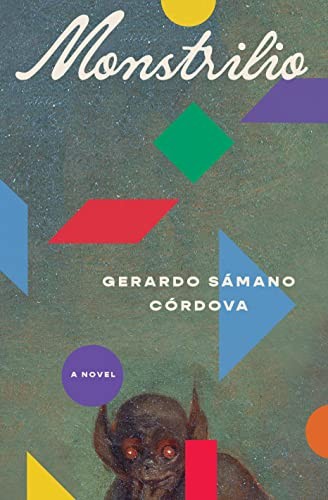
Monstrilio
Gerardo Sámano Córdova · 2023
Transformation A grieving mother cuts a piece from her dead son's lung, feeds it, and raises the creature that grows from it
Closest Clayface connection A malleable monster learns to imitate human identity while love encourages everyone to overlook what the performance costs
Main difference A multivoiced family novel follows the creature from bereavement into adulthood
Best for Readers who want literary monster fiction, queer family, Mexico City and Berlin, grief, multiple narrators, and horror inseparable from love.
After eleven-year-old Santiago dies, Magos takes part of his lung home to Mexico City. The tissue grows teeth, appetite, limbs, and eventually a more human shape. Magos, her husband Joseph, and their friend Lena teach Monstrilio how to pass, but their love is entangled with the hope that he can occupy the place Santiago left.
Córdova makes the monster both person and demand. Monstrilio's human presentation requires discipline, yet the people raising him are also transforming his body into an answer to their grief. It ranks third because it asks with extraordinary tenderness whether becoming recognizable is the same as becoming oneself.
Know before you start. The novel includes child death, grief, cannibalism, body horror, animal harm, violence, self-injury, and parental projection.
2

Leech
Hiron Ennes · 2022
Transformation A parasitic intelligence inhabiting generations of doctors discovers a rival organism inside an isolated château
Closest Clayface connection One consciousness performs many human identities and risks losing control of the bodies through which it knows itself
Main difference Gothic medical horror in a frozen post-apocalyptic world rather than an actor's revenge story
Best for Readers who want gothic isolation, medical horror, a nonhuman narrator, parasites, decaying aristocracy, and identity revealed through language.
The Interprovincial Medical Institute sends one of its bodies to investigate the death of another physician-host at the Château de Verdira. The Institute has quietly inhabited doctors for centuries, treating their skills and memories as parts of a collective self. Evidence of a competing parasite turns diagnosis into an intimate territorial war.
Ennes makes the narrator's grammar part of the horror. “I” may refer to one body, a network, an institution, or a survival instinct pretending to be benevolent medicine. It ranks second because the novel takes stolen identity seriously from inside the thief, then asks whether a parasitic self can develop obligations to the bodies it uses.
Know before you start. The novel includes graphic body horror, sexual and domestic abuse, pregnancy, parasites, medical procedures, death, and loss of bodily autonomy.
1
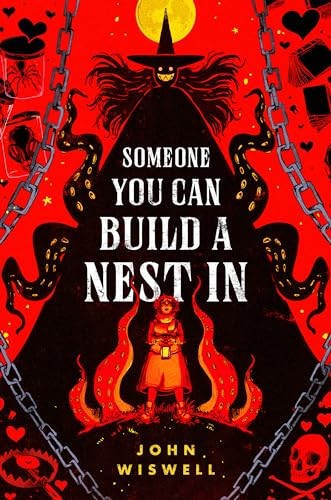
Someone You Can Build a Nest In
John Wiswell · 2024
Transformation A shapeshifting monster falls in love with the human woman whose family is hunting it
Closest Clayface connection A fluid body can become almost anything, but intimacy demands an identity not built solely from survival or performance
Main difference A funny, tender monster romance narrated by the creature rather than a tragic supervillain story
Best for Readers who want the strongest shapeshifter match, queer romance, monster humor, inventive body horror, abusive-family recovery, and an ultimately hopeful story.
Shesheshen wakes from hibernation to hunters entering her lair. Injured and disguised as a human, she is rescued by Homily, a warm woman who believes a curse afflicts her family. Shesheshen must conceal that she is the monster they seek—and that her species normally expresses love by placing eggs inside a partner.
It ranks first because Wiswell combines visceral shapeshifting with a precise emotional question: if every visible form is constructed, what makes one presentation honest? Shesheshen builds bodies from available materials and learns social behavior as an act of camouflage. Love does not require one true shape; it requires consent and the willingness to stop treating another person as material.
Know before you start. The novel includes graphic body horror, cannibalism, parasitic reproduction, abusive parenting, fatphobia, violence, trauma, and discussion of suicide.
Which Body-Horror Novel Should You Read First?
Where to start. Choose Someone You Can Build a Nest In for the closest shapeshifter story and the most humane exploration of whether a constructed body can support an honest identity. Read Leech if you want stolen bodies, gothic medicine, and a collective narrator whose “self” is the central mystery.
Pick Monstrilio for grief and a monster taught to pass as human, or The Echo Wife for cloning, performance, and an attempt to manufacture a more acceptable woman. Nightbitch is the sharpest transformation-as-liberation satire. Our Wives Under the Sea is the quietest and saddest.
Choose The Murders of Molly Southbourne for violent doubles, The Devourers for historical shapeshifters, The Need for domestic replacement, and The Cipher for the most abrasive collision between art and corrupted flesh.
Shapeshifting horror reveals that identity has always involved performance. Bodies are interpreted by families, lovers, employers, and audiences before the person inside them can explain. Transformation becomes monstrous when someone else controls the role—or when the performer discovers there may be no untouched original behind it.
Someone You Can Build a Nest In ranks first because Shesheshen's fluid body is neither a curse to reverse nor proof that intimacy is impossible. The danger lies in appetite without consent and disguise without trust. That distinction offers the richest answer to Clayface's tragedy: changing shape does not destroy the self, but allowing every audience to define the performance might.