A Different World has a timely, unusually specific hook for readers. Netflix’s new A Different World series premieres September 24, 2026, returning to Hillman College and the HBCU ensemble tradition that made the original series a landmark portrait of Black campus life, friendship and adulthood.
The books below focus on adult campus novels about friendship, identity and institutional pressure rather than young-adult school stories or romance-only college books. This is not a generic genre starter list. Each selection has been chosen because the mechanism connecting character, setting and conflict resembles the appeal of A Different World, even when the period, tone or scale changes.
The ranking favors thematic usefulness over fame. The ranking rewards campus community, several competing relationships, intellectual or professional ambition and a serious interest in how institutions distribute belonging. All ten ranked books come from different authors, and none has appeared as a ranked selection in the earlier Website lists.
Selection note. The ranking rewards campus community, several competing relationships, intellectual or professional ambition and a serious interest in how institutions distribute belonging. The books are not ranked by sales, adaptation potential or superficial resemblance.
10
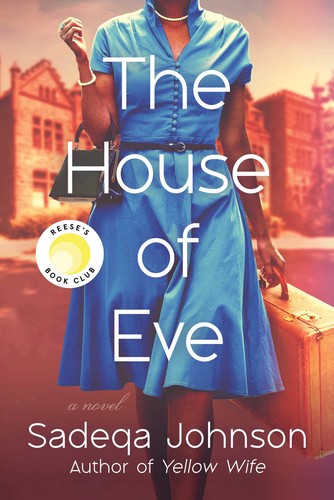
The House of Eve
Sadeqa Johnson · 2023
Story engine Two Black women pursue education, love and security in 1950s Philadelphia and Washington, D.C.
Closest A Different World connection Black college aspiration, found support and institutions controlling women’s futures
Main difference Historical dual narrative with campus life as one major strand
Best for Readers drawn to Black college aspiration, found support and institutions controlling women’s futures.
Ruby hopes education will create an escape from poverty, while Eleanor studies at Howard University and enters an elite family that measures her suitability. Their stories converge through pregnancy and constrained choices.
Johnson makes higher education materially consequential rather than decorative. Campus access creates possibility, but class, colorism and reproductive control determine how much of that possibility each woman can keep. It ranks 10 because its particular balance of investigation, character pressure and setting makes it a distinct rather than interchangeable recommendation.
In ranking terms, The House of Eve scores especially well on Black college aspiration, found support and institutions controlling women’s futures. That element has causal force because its story engine is specific: Two Black women pursue education, love and security in 1950s Philadelphia and Washington, D.C.. The tradeoff is equally clear: Historical dual narrative with campus life as one major strand. Readers who prioritize the connection may reasonably place it higher, while readers seeking the screen title’s exact tone should keep the distinction in mind.
Know before you start. Teen pregnancy, reproductive coercion, racism and class prejudice.
9
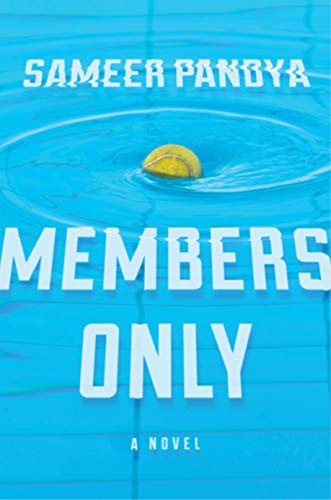
Members Only
Sameer Pandya · 2020
Story engine A professor’s public mistake threatens his career, family and place in a private tennis club
Closest A Different World connection institutional belonging, racial scrutiny and status sustained by fragile consensus
Main difference An adult faculty crisis rather than student coming-of-age
Best for Readers drawn to institutional belonging, racial scrutiny and status sustained by fragile consensus.
Raj Bhatt makes an offensive joke while introducing a prospective club member. The incident spreads into his university life and exposes how both institutions condition acceptance.
Pandya avoids easy innocence. Raj’s mistake is real, but the escalating response reveals how organizations protect themselves by converting complicated people into useful symbols. It ranks 9 because its particular balance of investigation, character pressure and setting makes it a distinct rather than interchangeable recommendation.
In ranking terms, Members Only scores especially well on institutional belonging, racial scrutiny and status sustained by fragile consensus. That element has causal force because its story engine is specific: A professor’s public mistake threatens his career, family and place in a private tennis club. The tradeoff is equally clear: An adult faculty crisis rather than student coming-of-age. Readers who prioritize the connection may reasonably place it higher, while readers seeking the screen title’s exact tone should keep the distinction in mind.
Know before you start. Racism, public shaming, family conflict and professional jeopardy.
8
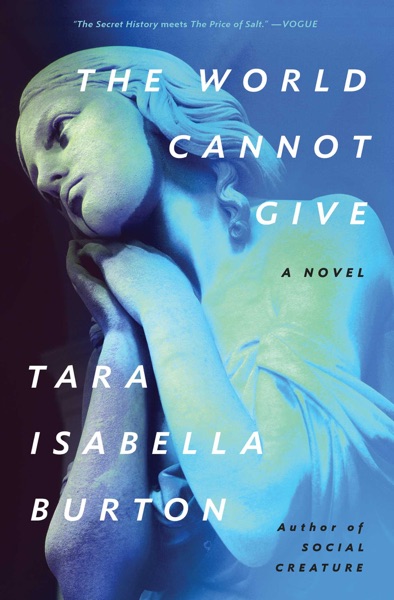
The World Cannot Give
Tara Isabella Burton · 2022
Story engine A student at an elite boarding school joins a choir ruled by a charismatic leader
Closest A Different World connection intense friendship, institutional belonging and the danger of turning community into faith
Main difference Boarding school rather than college, with gothic severity
Best for Readers drawn to intense friendship, institutional belonging and the danger of turning community into faith.
Laura Stearns arrives seeking the transcendent world promised by a former student’s novel. Virginia Strauss and the chapel choir offer beauty, discipline and a closed emotional system.
Burton examines the moment chosen family becomes coercive. The choir’s rituals satisfy a genuine hunger, which is why recognizing manipulation does not automatically dissolve loyalty. It ranks 8 because its particular balance of investigation, character pressure and setting makes it a distinct rather than interchangeable recommendation.
In ranking terms, The World Cannot Give scores especially well on intense friendship, institutional belonging and the danger of turning community into faith. That element has causal force because its story engine is specific: A student at an elite boarding school joins a choir ruled by a charismatic leader. The tradeoff is equally clear: Boarding school rather than college, with gothic severity. Readers who prioritize the connection may reasonably place it higher, while readers seeking the screen title’s exact tone should keep the distinction in mind.
Know before you start. Religious obsession, disordered eating, self-harm and toxic friendship.
7
On Beauty
Zadie Smith · 2005
Story engine Two academic families clash over politics, art and intimacy at a Massachusetts college
Closest A Different World connection campus community, ideological performance and families embedded in institutional rivalry
Main difference Centered on professors and relatives rather than students alone
Best for Readers drawn to campus community, ideological performance and families embedded in institutional rivalry.
Howard Belsey’s liberal self-image is tested when the conservative Kipps family arrives near Wellington College. Children, spouses and colleagues cross the lines the patriarchs insist are clear.
Smith makes the campus a pressure chamber for private contradiction. Public arguments about beauty, race and class become revealing when the families must share classrooms, homes and affection. It ranks 7 because its particular balance of investigation, character pressure and setting makes it a distinct rather than interchangeable recommendation.
In ranking terms, On Beauty scores especially well on campus community, ideological performance and families embedded in institutional rivalry. That element has causal force because its story engine is specific: Two academic families clash over politics, art and intimacy at a Massachusetts college. The tradeoff is equally clear: Centered on professors and relatives rather than students alone. Readers who prioritize the connection may reasonably place it higher, while readers seeking the screen title’s exact tone should keep the distinction in mind.
Know before you start. Infidelity, racism, family conflict and academic hostility.
6
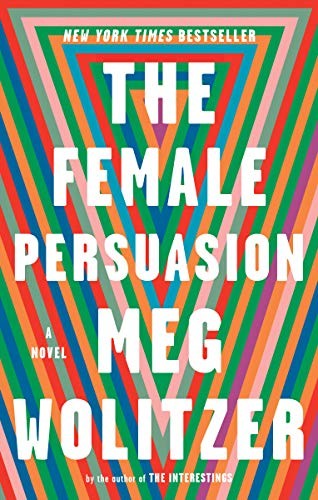
The Female Persuasion
Meg Wolitzer · 2018
Story engine A shy student’s encounter with a famous feminist redirects her friendships and career
Closest A Different World connection campus awakening, mentorship and ambition tested by institutional compromise
Main difference Spans many postcollege years and centers mentorship more than campus ensemble
Best for Readers drawn to campus awakening, mentorship and ambition tested by institutional compromise.
Greer Kadetsky meets Faith Frank after a campus assault and eventually works for her foundation. Her relationship with best friend Zee reveals the costs hidden inside professional inspiration.
Wolitzer is strongest on aspiration as social power. The person who opens a door can also define who deserves to walk through it, making mentorship both liberation and hierarchy. It ranks 6 because its particular balance of investigation, character pressure and setting makes it a distinct rather than interchangeable recommendation.
In ranking terms, The Female Persuasion scores especially well on campus awakening, mentorship and ambition tested by institutional compromise. That element has causal force because its story engine is specific: A shy student’s encounter with a famous feminist redirects her friendships and career. The tradeoff is equally clear: Spans many postcollege years and centers mentorship more than campus ensemble. Readers who prioritize the connection may reasonably place it higher, while readers seeking the screen title’s exact tone should keep the distinction in mind.
Know before you start. Sexual assault, career betrayal, grief and relationship conflict.
5
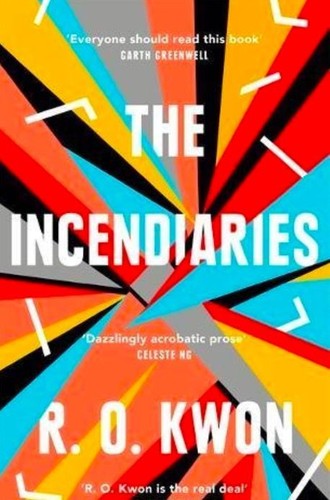
The Incendiaries
R. O. Kwon · 2018
Story engine Students at an elite university are drawn into love, grief and a radical religious group
Closest A Different World connection campus identity, charismatic belonging and institutions failing vulnerable students
Main difference Darker and more fragmented than an ensemble dramedy
Best for Readers drawn to campus identity, charismatic belonging and institutions failing vulnerable students.
Phoebe’s grief and Will’s lost faith shape their relationship at Edwards University. John Leal’s group offers Phoebe purpose while Will narrates his increasingly desperate attempt to understand her.
Kwon shows why a campus can intensify recruitment: students are separated from prior identities but hungry for moral certainty. Competing narrators make love another institution claiming interpretive authority. It ranks 5 because its particular balance of investigation, character pressure and setting makes it a distinct rather than interchangeable recommendation.
In ranking terms, The Incendiaries scores especially well on campus identity, charismatic belonging and institutions failing vulnerable students. That element has causal force because its story engine is specific: Students at an elite university are drawn into love, grief and a radical religious group. The tradeoff is equally clear: Darker and more fragmented than an ensemble dramedy. Readers who prioritize the connection may reasonably place it higher, while readers seeking the screen title’s exact tone should keep the distinction in mind.
Know before you start. Cult coercion, abortion, grief, religious extremism and violence.
4
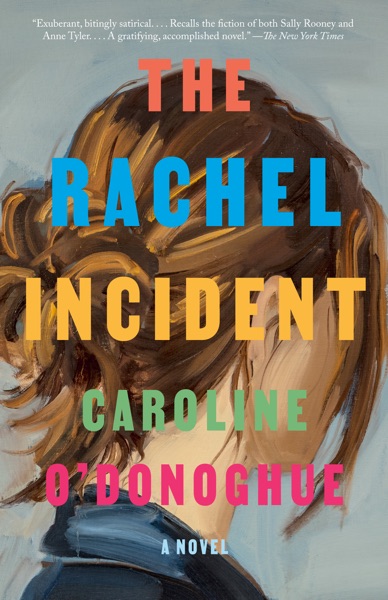
The Rachel Incident
Caroline O’Donoghue · 2023
Story engine College friends in recession-era Cork become entangled with a professor and his hidden relationship
Closest A Different World connection chosen family, youthful reinvention and adult secrets invading student life
Main difference Faster and more comic, with the campus sharing focus with a bookstore
Best for Readers drawn to chosen family, youthful reinvention and adult secrets invading student life.
Rachel and James meet while working at a bookstore and build an intense friendship. A literary event designed to impress Rachel’s professor creates a web of attraction, secrecy and economic dependence.
O’Donoghue understands the improvised household as a school of adulthood. Friendship is not a supporting subplot; it is the durable relationship through which both characters survive bad jobs and compromised mentors. It ranks 4 because its particular balance of investigation, character pressure and setting makes it a distinct rather than interchangeable recommendation.
In ranking terms, The Rachel Incident scores especially well on chosen family, youthful reinvention and adult secrets invading student life. That element has causal force because its story engine is specific: College friends in recession-era Cork become entangled with a professor and his hidden relationship. The tradeoff is equally clear: Faster and more comic, with the campus sharing focus with a bookstore. Readers who prioritize the connection may reasonably place it higher, while readers seeking the screen title’s exact tone should keep the distinction in mind.
Know before you start. Infidelity, abortion, homophobia and financial precarity.
3
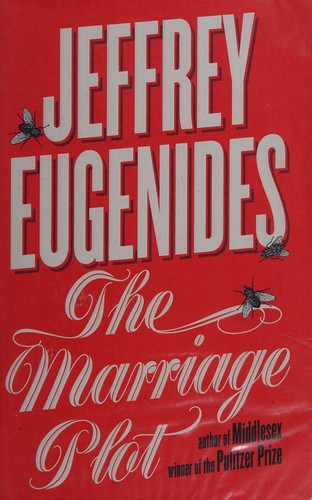
The Marriage Plot
Jeffrey Eugenides · 2011
Story engine Three Brown graduates carry literature, faith and mental illness into uncertain adulthood
Closest A Different World connection an ensemble shaped by college intimacy and competing ideas of the future
Main difference More focused on a romantic triangle and postcollege aftermath
Best for Readers drawn to an ensemble shaped by college intimacy and competing ideas of the future.
Madeleine studies Victorian novels while Leonard confronts bipolar disorder and Mitchell searches for spiritual purpose. Graduation removes the institution that organized their relationships without resolving them.
The novel treats education as a set of stories characters use to predict themselves. Their friendship survives unevenly once careers, illness and belief demand choices theory did not prepare them to make. It ranks 3 because its particular balance of investigation, character pressure and setting makes it a distinct rather than interchangeable recommendation.
In ranking terms, The Marriage Plot scores especially well on an ensemble shaped by college intimacy and competing ideas of the future. That element has causal force because its story engine is specific: Three Brown graduates carry literature, faith and mental illness into uncertain adulthood. The tradeoff is equally clear: More focused on a romantic triangle and postcollege aftermath. Readers who prioritize the connection may reasonably place it higher, while readers seeking the screen title’s exact tone should keep the distinction in mind.
Know before you start. Mental illness, hospitalization, sexual content and religious searching.
2
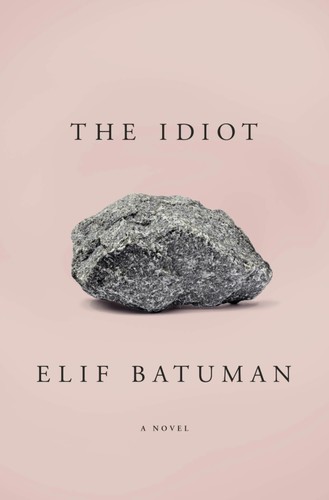
The Idiot
Elif Batuman · 2017
Story engine A first-year Harvard student discovers language, email and desire while trying to understand what education is for
Closest A Different World connection first independence, intellectual comedy and identity formed through peers
Main difference More solitary and digressive, with little institutional crisis
Best for Readers drawn to first independence, intellectual comedy and identity formed through peers.
Selin arrives in 1995 and becomes fascinated with Ivan through cryptic emails and language study. Her summer teaching English in Hungary extends the campus’s confusions into another country.
Batuman captures the comic gap between sophisticated vocabulary and undeveloped experience. Selin’s education happens through misread signals, friendships and the slow discovery that available narratives do not fit her life. It ranks 2 because its particular balance of investigation, character pressure and setting makes it a distinct rather than interchangeable recommendation.
In ranking terms, The Idiot scores especially well on first independence, intellectual comedy and identity formed through peers. That element has causal force because its story engine is specific: A first-year Harvard student discovers language, email and desire while trying to understand what education is for. The tradeoff is equally clear: More solitary and digressive, with little institutional crisis. Readers who prioritize the connection may reasonably place it higher, while readers seeking the screen title’s exact tone should keep the distinction in mind.
Know before you start. Emotional manipulation, cultural awkwardness and deliberate plotlessness.
1
Real Life
Brandon Taylor · 2020
Story engine A Black queer graduate student navigates friendship and exclusion in a Midwestern science program
Closest A Different World connection campus belonging, chosen community and institutional hostility beneath achievement
Main difference A compressed, painful graduate-school weekend rather than broad comedy
Best for Readers drawn to campus belonging, chosen community and institutional hostility beneath achievement.
Wallace has built a careful life among white friends and lab colleagues. A ruined experiment, a gathering and an unexpected intimacy expose how little protection that circle offers from racism and isolation.
Taylor makes ordinary campus spaces carry accumulated pressure. The novel understands that friendship can be real and still structured by who must absorb discomfort to keep the group intact. It ranks 1 because its particular balance of investigation, character pressure and setting makes it the strongest overall match.
In ranking terms, Real Life scores especially well on campus belonging, chosen community and institutional hostility beneath achievement. That element has causal force because its story engine is specific: A Black queer graduate student navigates friendship and exclusion in a Midwestern science program. The tradeoff is equally clear: A compressed, painful graduate-school weekend rather than broad comedy. Readers who prioritize the connection may reasonably place it higher, while readers seeking the screen title’s exact tone should keep the distinction in mind.
Know before you start. Racism, homophobia, sexual violence, grief and animal research.
Which A Different World Read-Alike Should You Read First?
Where to start. Start with Real Life for the best overall match: campus belonging, chosen community and institutional hostility beneath achievement. Choose The Idiot if you want first independence, intellectual comedy and identity formed through peers, or The Marriage Plot for an ensemble shaped by college intimacy and competing ideas of the future.
The rest of the ranking is deliberately varied. Readers who prioritize premise over tone should follow the “Closest connection” field, while readers sensitive to intensity should use “Know before you start.” The lower-ranked books are not weaker novels; they simply reproduce fewer parts of A Different World at the same time.
The most useful read-alikes do not copy a screen title’s props. They identify the pressure underneath them. In A Different World, that pressure comes from adult campus novels about friendship, identity and institutional pressure rather than young-adult school stories or romance-only college books. The strongest novels on this list turn that pressure into structure rather than decoration.
Real Life offers the closest complete bridge, while The Idiot and The Marriage Plot isolate different parts of the appeal. Together, the ten books provide multiple routes into the same reading need without collapsing into franchise tie-ins or a recycled genre canon.