Giuseppe Tomasi di Lampedusa's The Leopard follows Prince Fabrizio of Salina through the upheaval of Italian unification, when Sicily's aristocracy discovers that survival may require surrendering power while preserving the appearance of continuity. Netflix's 2025 six-part adaptation returned viewers to the palaces, marriages, and political bargains of that transition. The spectacle is beautiful because the story knows beauty can become one of decline's most persuasive disguises.
The best novels to read after The Leopard treat a family as a historical instrument. A name opens doors, a house organizes labor, and a marriage moves wealth between generations. Then the surrounding society changes its definition of usefulness. Old families rarely vanish at once. They sell land, compromise standards, marry new money, convert authority into manners, and ask younger members to perform confidence inside rooms becoming too expensive to heat.
This ranking includes aristocrats, merchant houses, imperial servants, and one great household whose decline outlasts the people it was designed to serve. The list favors social transition, generational conflict, compromised inheritance, and prose capable of seeing both the attraction and absurdity of privilege. These are not simply novels about rich people losing money. They are novels about families discovering that history does not consider their self-image a binding contract.
10
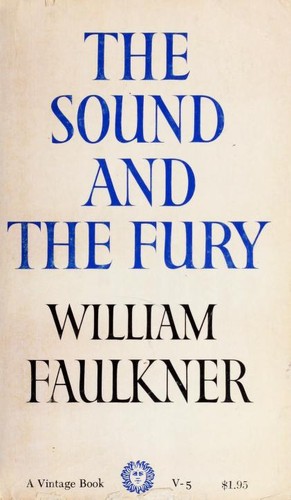
The Sound and the Fury
William Faulkner · 1929
Fading dynasty The Compsons, a once-prominent Mississippi family disintegrating across generations
Closest Leopard connection A family name remains socially powerful after the habits and resources supporting it have failed
Main difference Radical modernist narration focused on memory, obsession, and psychic collapse
Best for Readers who want demanding modernism, nonlinear family tragedy, Southern history, and form that enacts disintegration.
Know before you start The novel includes racist language, suicide, incest fixation, disability stigma, misogyny, abuse, and psychological distress.
Faulkner presents the Compsons through four sections whose different perspectives refuse a stable family portrait. Benjy experiences time as sensation and recurrence. Quentin attempts to preserve an ideal of family honor that cannot survive his own obsessive interpretation. Jason converts grievance into petty control, while the final section widens toward Dilsey, whose labor sustains a household that does not grant her equal humanity.
The family's decline is material—land has been sold, opportunities narrowed—but its deepest ruin lies in the stories the Compsons tell about purity and importance. Their name demands performance without supplying purpose. Memory ceases to connect generations and instead traps each person within a private version of loss. The servants understand the household's actual needs more clearly than its supposed heirs.
This is the list's most difficult novel. Chronology fractures, crucial facts emerge indirectly, and the racial language and representation require historical context. It ranks tenth because it offers little of The Leopard's panoramic political clarity or sensuous social comedy. Yet both novels understand decay as a failure of time: the family behaves as though its past were still available, while the present has already repossessed it.
9
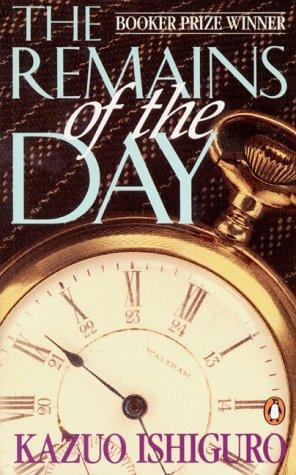
The Remains of the Day
Kazuo Ishiguro · 1989
Fading dynasty Darlington Hall and the English service culture built around a politically compromised aristocrat
Closest Leopard connection An old order survives as architecture, manners, and loyalty after losing the authority that once justified them
Main difference A butler's intimate first-person reckoning rather than a multigenerational family chronicle
Best for Readers who want restrained prose, unreliable memory, country-house atmosphere, class analysis, and enormous feeling beneath decorum.
Know before you start The story includes fascist sympathies, antisemitism, emotional repression, bereavement, and painful missed opportunities.
Stevens, an English butler, takes a motoring trip through the countryside after Darlington Hall passes to an American owner. His journey gives him time to reconsider his service to Lord Darlington, whose political efforts between the wars moved from idealistic hospitality toward disastrous accommodation. Stevens also revisits his relationship with former housekeeper Miss Kenton, though his professional vocabulary makes emotional recognition difficult.
Kazuo Ishiguro examines aristocratic decline from the person who maintained its appearance. Silver was polished, guests placed, and emotion suppressed so that great men could conduct history without noticing the machinery of comfort beneath them. Stevens believes dignity consists of perfect service to a worthy employer; the novel's devastating pressure comes from separating the quality of service from the worthiness of the cause.
There is no family dynasty at the narrative center, making this the list's deliberate boundary case. The decline is a household, class, and ethic. It ranks ninth because the scale is interior and retrospective. For readers who loved The Leopard's awareness that elegance can become a political defense, however, few novels are more exact. The house remains beautiful after its meaning changes owners.
8

The Maias
Eça de Queirós · 1888 in Portuguese
Fading dynasty Three generations of the Maia family in nineteenth-century Lisbon
Closest Leopard connection A magnificent house, an intelligent patriarch, a charming heir, and a ruling class whose style outlasts its seriousness
Main difference A satirical urban family novel with romance, conversation, and social comedy at its center
Best for Readers who want Portuguese realism, elegant satire, family secrets, romantic tragedy, and a large social world.
Know before you start The novel includes incest, suicide, bereavement, sexual double standards, colonial attitudes, and extensive period social commentary.
Carlos da Maia returns to the family's Lisbon residence as a wealthy, cultivated young doctor with every advantage required for a consequential life. His grandfather Afonso represents an older moral solidity, but Carlos and his circle turn talent into projects abandoned once effort becomes inconvenient. A passionate relationship eventually exposes family history with consequences neither sophistication nor wealth can comfortably absorb.
Eça de Queirós observes an elite skilled at diagnosing national stagnation over dinner and unable to modify its own behavior by breakfast. The Ramalhete, the Maia house, functions like a material family memory: restored for a new generation, filled with taste, and repeatedly made to contain events its décor cannot civilize. Decline arrives through leisure, imitation, and failures of will rather than immediate bankruptcy.
The novel is long, its social references benefit from notes, and its central revelation belongs to nineteenth-century melodrama. It ranks eighth because Portugal's constitutional bourgeois-aristocratic world differs from the Sicilian political transition in The Leopard. The tonal connection is excellent. Both novels can admire a room, a meal, or a gesture while noticing that the people performing refinement have converted delay into a way of life.
7
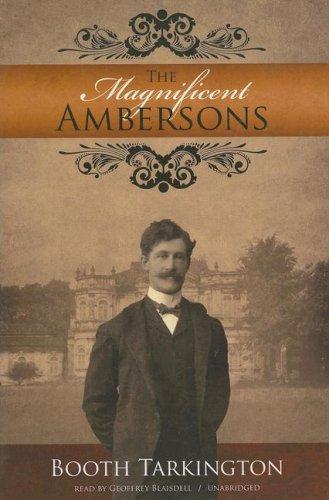
The Magnificent Ambersons
Booth Tarkington · 1918
Fading dynasty The Ambersons, whose Midwestern prestige collapses as industry remakes their city
Closest Leopard connection A privileged heir assumes the family order is permanent while new money learns to own the future
Main difference An American industrial-age novel centered on a spoiled young man and the automobile
Best for Readers who want an accessible American classic, industrial change, an unbearable heir, and a mansion losing its city.
Know before you start The book includes class prejudice, emotional cruelty, financial ruin, illness, bereavement, and period racial assumptions.
George Amberson Minafer grows up certain that his family's magnificence is a fact of nature. Town residents wait for the arrogant boy to receive his comeuppance, but George's personal failings become inseparable from historical change. Eugene Morgan, an inventor and former suitor of George's mother, represents an industrial future the Ambersons consider socially inferior until its wealth and machinery alter the landscape around their mansion.
Booth Tarkington makes urban development visible as family decline. Streets widen, traffic changes, neighborhoods move, and old property loses the environmental authority that made it grand. George mistakes contempt for discernment because class has protected him from needing to distinguish the two. By the time consequences arrive, the city no longer values the performance he was raised to perfect.
The novel's nostalgia for the preindustrial city complicates its critique, and some sentiment near the ending softens its force. It ranks seventh because its social world is narrower and its protagonist far less perceptive than Prince Fabrizio. The central historical mechanism is a perfect match: people who think they represent civilization fail to notice that a vulgar, noisy technology is creating the terms on which civilization will next be financed.
6
The Forsyte Saga
John Galsworthy · 1906--1921 as three novels and two interludes
Fading dynasty The property-conscious Forsyte family across late Victorian and Edwardian England
Closest Leopard connection Marriage, inheritance, houses, and social reputation become the instruments by which a family attempts to control change
Main difference A vast upper-middle-class chronicle concerned with possession more than hereditary aristocracy
Best for Readers who want an expansive family saga, English houses, marital conflict, inheritance, and social change across decades.
Know before you start The saga includes marital rape, coercive control, infidelity, divorce stigma, bereavement, and period class and gender attitudes.
At the center of the saga stands Soames Forsyte, solicitor, collector, and believer in ownership as the foundation of order. His marriage to Irene exposes the violence concealed within that belief. Around them, branches of the family acquire property, judge one another, and attempt to transmit a stable position to children whose desires do not respect the emotional settlements made on their behalf.
John Galsworthy treats the family gathering as an intelligence network. News travels through visits and carefully phrased opinions. A house displays capital and taste while also giving a husband the illusion that beauty can be secured by deed. Across decades, the Forsytes become richer and less certain that wealth guarantees the social coherence they associate with being English.
The full sequence is a substantial commitment, and its gender politics are both a subject of critique and a product of their era. It ranks sixth because commercial property, not land and title, created the dynasty. That difference makes the comparison productive. The Leopard watches aristocrats accommodate a rising bourgeoisie; Galsworthy moves inside a bourgeois family after acquisition has taught it to behave like an aristocracy.
5

Buddenbrooks
Thomas Mann · 1901 in German
Fading dynasty Four generations of a wealthy merchant family in Lübeck
Closest Leopard connection Public dignity and family continuity become burdens as historical change exposes the cost of maintaining them
Main difference A long bourgeois chronicle in which business, health, and artistic temperament erode the house gradually
Best for Readers who want the definitive merchant-family decline, generational scope, social detail, irony, and a substantial classic.
Know before you start The novel includes illness, child death, financial failure, unhappy marriages, antisemitic attitudes in context, and extended family loss.
The Buddenbrooks begin in prosperity, celebrating in a new home and recording family events in a book that converts private life into lineage. Successive generations inherit the grain business, civic expectations, marriages, and the requirement to represent solidity. Thomas assumes commercial and family responsibility; his siblings and children reveal different incompatibilities between inherited duty and individual nature.
Thomas Mann makes decline physiological, economic, and aesthetic at once. Teeth, digestion, nerves, music, weather, and balance sheets all register a family's weakening confidence. The Buddenbrooks are not ruined by one villain or revolution. Their discipline becomes less adaptable, and their increasingly refined consciousness makes the blunt work of continuation harder to perform.
At more than seven hundred pages in many English editions, the novel is a slow immersion in domestic and commercial detail. Its irony can be easy to miss if approached as solemn family history. It ranks fifth because the family belongs to northern European commerce rather than a threatened feudal order. The essential affinity is profound: both Mann and Lampedusa can see the dignity inside tradition while recognizing that dignity cannot negotiate indefinitely with time.
4

Brideshead Revisited
Evelyn Waugh · 1945
Fading dynasty The Catholic Flyte family and their great English estate between the world wars
Closest Leopard connection A sensuous house, Catholic inheritance, compromised marriages, and an aristocratic family already becoming memory
Main difference A first-person story of friendship, desire, faith, and nostalgia viewed by a middle-class outsider
Best for Readers who want country-house beauty, Catholic themes, complicated desire, unreliable nostalgia, and interwar English decline.
Know before you start The story includes alcoholism, homophobia in context, religious conflict, infidelity, emotional abandonment, war, and family estrangement.
Charles Ryder meets Sebastian Flyte at Oxford and is drawn into the beautiful, troubled world of Brideshead. Through Sebastian, his sister Julia, and the wider Marchmain family, Charles encounters an aristocratic Catholic life at once theatrical, restrictive, and irresistibly formed. Years later, relationships and war return him to the house under altered conditions.
Evelyn Waugh gives architecture emotional authority. Brideshead appears to offer continuity beyond the failures of its inhabitants, yet the family cannot agree about the faith, marriage, and duty the house supposedly embodies. Charles's nostalgia beautifies what he sees and limits what he understands. Sebastian's suffering, in particular, resists being reduced to the charming melancholy through which others remember him.
The novel's theology and treatment of sexuality have generated long debate, and the narrator's enchantment should not be mistaken for neutral judgment. It ranks fourth because its political history is less analytical than The Leopard's. As an experience of entering a doomed great family through beauty, it is unmatched. The house recruits the outsider before he recognizes that belonging may require accepting the family's version of grace.
3
The Garden of the Finzi-Continis
Giorgio Bassani · 1962 in Italian
Fading dynasty A wealthy Jewish family in Ferrara enclosed by privilege as Fascist persecution advances
Closest Leopard connection A beautiful private world preserves its rituals while history makes preservation impossible
Main difference A concentrated novel of memory, unrequited love, and racial persecution before the Second World War
Best for Readers who want Italian historical fiction, restrained tragedy, a walled estate, unrequited love, and memory under Fascism.
Know before you start The novel includes antisemitism, Fascist persecution, deportation and death in historical context, exclusion, and romantic grief.
After Fascist racial laws exclude Jewish residents from public clubs, the aristocratic Finzi-Contini family opens its walled garden and tennis court to other young Jewish people. The unnamed narrator has long been fascinated by the family and by Micol, whose intelligence and distance make the garden feel both intimate and inaccessible. Their social season unfolds under historical knowledge the older narrator cannot set aside.
Giorgio Bassani makes enclosure painfully double. The garden offers refuge from public humiliation, yet wealth and privacy also encourage the fantasy that cultivated life can remain separate from political danger. The narrator's desire to enter the family parallels his desire to hold the past before its ending. Memory supplies beauty and repeatedly exposes its insufficiency.
The book is quieter and shorter than The Leopard, with less comedy and no broad account of political negotiation. It ranks third because the family's destruction comes through persecution rather than gradual class replacement; the moral stakes are categorically different. Its connection lies in elegy without innocence. The lost world deserves remembrance, but privilege did not grant its inhabitants clearer vision of the forces approaching the gate.
2
The Makioka Sisters
Jun'ichirō Tanizaki · Serialized 1943--1948; complete book 1948
Fading dynasty Four sisters of a once-prosperous Osaka merchant family before the Second World War
Closest Leopard connection Marriage negotiations become a strategy for preserving status while younger members adapt to a new social order
Main difference A domestic Japanese family chronicle whose historical change arrives through etiquette, weather, commerce, and modern desire
Best for Readers who want exquisite domestic detail, sisters, marriage politics, Japanese modernity, and a slow, immersive family world.
Know before you start The novel includes pregnancy loss, illness, flood, sexual double standards, class prejudice, family control, and period social attitudes.
The Makioka name retains prestige after the family's business and wealth have weakened. Eldest sister Tsuruko formally heads the main house with her husband. Sachiko manages much of the emotional and practical labor surrounding the younger sisters. Yukiko's marriage prospects are repeatedly examined and delayed, while Taeko pursues work, fashion, and relationships that challenge the family's idea of acceptable womanhood.
Jun'ichirō Tanizaki builds tension from protocol. A proposed match requires investigation, correspondence, controlled meetings, and decisions about which imperfection can be acknowledged. Each delay meant to protect the name also reduces the family's options. Seasonal rituals and domestic beauty do not merely decorate decline; they make clear what the sisters value and why modernity cannot be sorted into simple liberation or loss.
The pace is patient and repetition is part of its design. Historical catastrophe remains largely outside the immediate frame, giving readers a vanishing world rather than a conventional wartime plot. It ranks second because its household scale provides the closest structural counterpart to the Salinas. Both families turn marriage into political economy, and both discover that a younger generation can preserve the name only by changing what the name means.
1
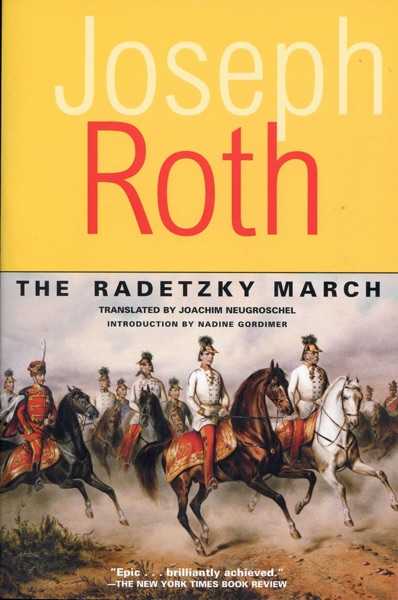
The Radetzky March
Joseph Roth · 1932 in German
Fading dynasty Three generations of the Trotta family bound to the declining Austro-Hungarian Empire
Closest Leopard connection A patriarch understands that the political order sustaining his family is dying, yet cannot imagine an honorable life outside it
Main difference Imperial military and administrative service replace Sicilian land, marriage, and palace society
Best for Readers who want the strongest overall match, imperial decline, generational tragedy, political irony, and one of Europe's great historical novels.
Know before you start The book includes war, suicide, alcoholism, debt, antisemitism in context, animal death, fatal illness, and imperial prejudice.
At the Battle of Solferino, Lieutenant Trotta saves the young Emperor Franz Joseph and is elevated into nobility. The act becomes a schoolbook legend that falsifies the event, teaching the family that official history can absorb a man more completely than death. Trotta's descendants enter civil and military service, their fortunes moving with an empire whose rituals remain precise as its political coherence fails.
Joseph Roth sees empire through uniforms, provincial postings, meals, debts, music, and the aging body of the emperor. District Captain von Trotta serves with discipline and recognizes more than he can admit. His son Carl Joseph inherits status without the temperament or historical confidence to make use of it. The Radetzky March played at ceremonies becomes both celebration and funeral music.
The novel assumes some familiarity with Habsburg Europe, though good editions provide useful notes. Its melancholy can appear stately until sudden events reveal how much pressure the form contains. It ranks first because it is The Leopard's closest equal in historical vision. Family and regime decline together, neither reducible to the other. The old order is absurd, beautiful, unjust, and already gone before the people inside it hear the final measure.
Which Fading-Dynasty Novel Should You Read First?
Choose The Radetzky March for the closest full-spectrum match: a perceptive patriarch, a family fused to a political order, beautiful ritual, and history advancing beneath every attempt at stability. Choose The Makioka Sisters if marriage strategy and domestic negotiation were your favorite parts of The Leopard.
Read The Garden of the Finzi-Continis for another Italian estate haunted by historical knowledge, or Brideshead Revisited for Catholic aristocracy and the seduction of a great house. Buddenbrooks and The Forsyte Saga offer the largest multigenerational commitments, one built on commerce and the other on possession.
Choose The Magnificent Ambersons for an accessible American version of status overtaken by industry, The Maias for satire and Portuguese social life, The Remains of the Day for the servant's view of obsolete greatness, and The Sound and the Fury for the most formally demanding experience of family disintegration.
Dynasties decline twice: first in material power, then in the stories that made power appear natural. The house may remain, the name may still open a door, and dinner may be served at the proper hour. History has nevertheless altered who pays, who obeys, and who finds the ritual convincing.
The Radetzky March ranks first because Joseph Roth shares Lampedusa's rare double vision. He can mourn an order without acquitting it and expose its absurdities without pretending its disappearance leaves nothing valuable behind. The family tragedy matters because the empire was real in daily life, and the empire's collapse matters because people built their identities inside it. The music continues just long enough for everyone to understand it has become a farewell.